
Have you ever wondered why some buildings instantly feel timeless and grand? Classical architecture holds the secret.
Rooted in the ancient styles of Greece and Rome, it shapes the way structures look and feel even today. When you explore classical architecture, you’re stepping into a world of perfect balance, elegant columns, and stunning details that have inspired architects for centuries.
If you want to understand how these designs create harmony and beauty, and why they keep coming back in modern buildings, this article is for you. Let’s dive into the fascinating elements that make classical architecture so unforgettable.
Related Article: Contemporary Architecture: Trends Shaping Modern Skylines
Related Article: Pillars in Modern Architecture: Structural Icons
You may also read: Modern Vernacular Architecture: Innovative Designs for Today
Greek And Roman Roots
Classical architecture finds its foundation in ancient Greece and Rome. These civilizations shaped the style’s core principles. Their buildings show harmony, order, and balance. These ideas still influence modern architecture today.
Greek and Roman architects focused on symmetry and proportion. They used durable materials like marble and concrete. Their designs included columns, pediments, and detailed moldings. These elements created timeless, elegant structures admired worldwide.
Origins Of Classical Design
Greek architecture introduced the three main column styles: Doric, Ionic, and Corinthian. Each style has unique features and decorations. Doric columns are simple and sturdy, Ionic columns have scroll-like designs, and Corinthian columns are highly ornate.
Roman architects adapted Greek designs and added new elements. They created the Tuscan and Composite orders, blending Greek styles with their own ideas. Romans also innovated with concrete, allowing larger and more complex buildings.
Both Greeks and Romans valued proportion and symmetry. Their buildings reflect a strong sense of order and beauty. This design philosophy forms the backbone of classical architecture.
Vitruvius And Architectural Principles
Vitruvius was a Roman architect and engineer. He wrote “De Architectura,” a key guide on classical design. This work outlined principles of firmness, utility, and beauty in architecture.
He emphasized the importance of harmony and proportion. Vitruvius believed buildings should be strong, functional, and pleasing to the eye. His ideas influenced architects for centuries.
Vitruvius also described the ideal human body proportions. These proportions became a model for designing buildings. This connection between human form and architecture remains important today.
The Five Classical Orders
The Five Classical Orders form the foundation of classical architecture. These orders define the style and structure of columns used in ancient Greek and Roman buildings. Each order has unique features that express different aesthetics and functions. Understanding these orders reveals the balance between beauty and strength in classical design.
The orders include Doric, Ionic, Corinthian, Tuscan, and Composite. Greek architects created the first three. The Romans later added the last two. Each order uses different column shapes and decorative elements. They also follow strict rules of proportion and symmetry. These orders influence architecture even today.
Doric: Strength And Simplicity
The Doric order is the oldest and simplest. It features thick, fluted columns with plain capitals. Doric columns have no base and rest directly on the floor. The entablature above includes triglyphs and metopes. This order projects power and stability. It suits temples and public buildings.
Ionic: Elegance And Scrolls
The Ionic order is more slender and elegant. Its most notable feature is the volute, a spiral scroll on the capital. Ionic columns stand on a base and have fluted shafts. The entablature is decorated with a continuous frieze. This order adds grace and lightness to structures.
Corinthian: Ornate Capitals
Corinthian columns are highly decorative and slender. Their capitals show detailed carvings of acanthus leaves. This order is the most ornate of the Greek styles. It creates a sense of richness and luxury. Corinthian columns often appear in grand temples and public spaces.
Tuscan: Roman Minimalism
The Tuscan order is a Roman creation. It simplifies the Doric style with unfluted columns. The capitals and bases are plain and solid. Tuscan columns give a sturdy and modest look. This order suits practical buildings and military structures.
Composite: Combined Ornamentation
The Composite order combines Ionic and Corinthian features. Capitals have both volutes and acanthus leaves. This fusion creates a highly decorative and complex design. Composite columns are tall and slender. They show the height of Roman architectural creativity.

Credit: www.youtube.com
Design Elements And Features
Classical architecture showcases timeless design elements that define its beauty and structure. These features create balance, order, and elegance in buildings. Each element plays a vital role in forming the classical style that has influenced architecture for centuries.
Understanding these design components helps appreciate the art and science behind classical buildings. From symmetry to decorative details, every part contributes to a cohesive and harmonious appearance.
Symmetry And Proportion
Symmetry means that both sides of a building mirror each other perfectly. Proportion relates to the size and scale of each part in relation to the whole structure. Classical architecture follows strict mathematical ratios to achieve visual harmony. This balance creates a pleasing and stable look that feels natural to the eye.
Columns And Entablature
Columns are vertical supports that carry weight and add beauty. They come in different styles called orders: Doric, Ionic, Corinthian, Tuscan, and Composite. Above the columns sits the entablature, a horizontal band made of three parts: architrave, frieze, and cornice. Together, columns and entablature form the skeleton and decoration of classical buildings.
Pediments And Moldings
Pediments are triangular shapes placed above doors or windows. They often contain sculptures or reliefs that tell stories or symbolize ideals. Moldings are decorative trims that frame parts of the building. They add depth and texture, emphasizing edges and transitions between surfaces.
Materials Used
Classical architecture relies on strong, durable materials. Marble and stone are common for their beauty and longevity. Concrete was used by the Romans for its strength and versatility. Brick appears in some classical buildings, often covered by stucco or plaster. These materials ensure that classical structures last for centuries.
Decorative Motifs
Decorative motifs include patterns and shapes repeated across surfaces. Common motifs are acanthus leaves, dentil moldings, and egg-and-dart designs. These elements add richness and cultural meaning. They connect buildings to nature, mythology, and ancient traditions.
Credit: www.classicist.org
Related Article: Architectural Solutions: Transforming Spaces with Innovative Design
Major Classical Periods
Classical architecture spans many centuries and styles, each reflecting the ideals of balance, beauty, and harmony. These major periods shaped the way buildings were designed and constructed. They highlight the evolution of classical ideas across history.
Each period brought unique features while keeping the core classical principles alive. Understanding these periods helps appreciate the rich legacy of classical architecture worldwide.
Ancient Greek And Roman Era
This era laid the foundation of classical architecture. Greek architects developed the three main orders: Doric, Ionic, and Corinthian. These columns defined the style with their shapes and decorations. Romans adopted these orders and added Tuscan and Composite styles.
Structures focused on symmetry, proportion, and the use of durable materials like marble and stone. Temples, theaters, and public buildings showcased these principles. This period remains the source of classical architecture’s core elements.
Renaissance Revival
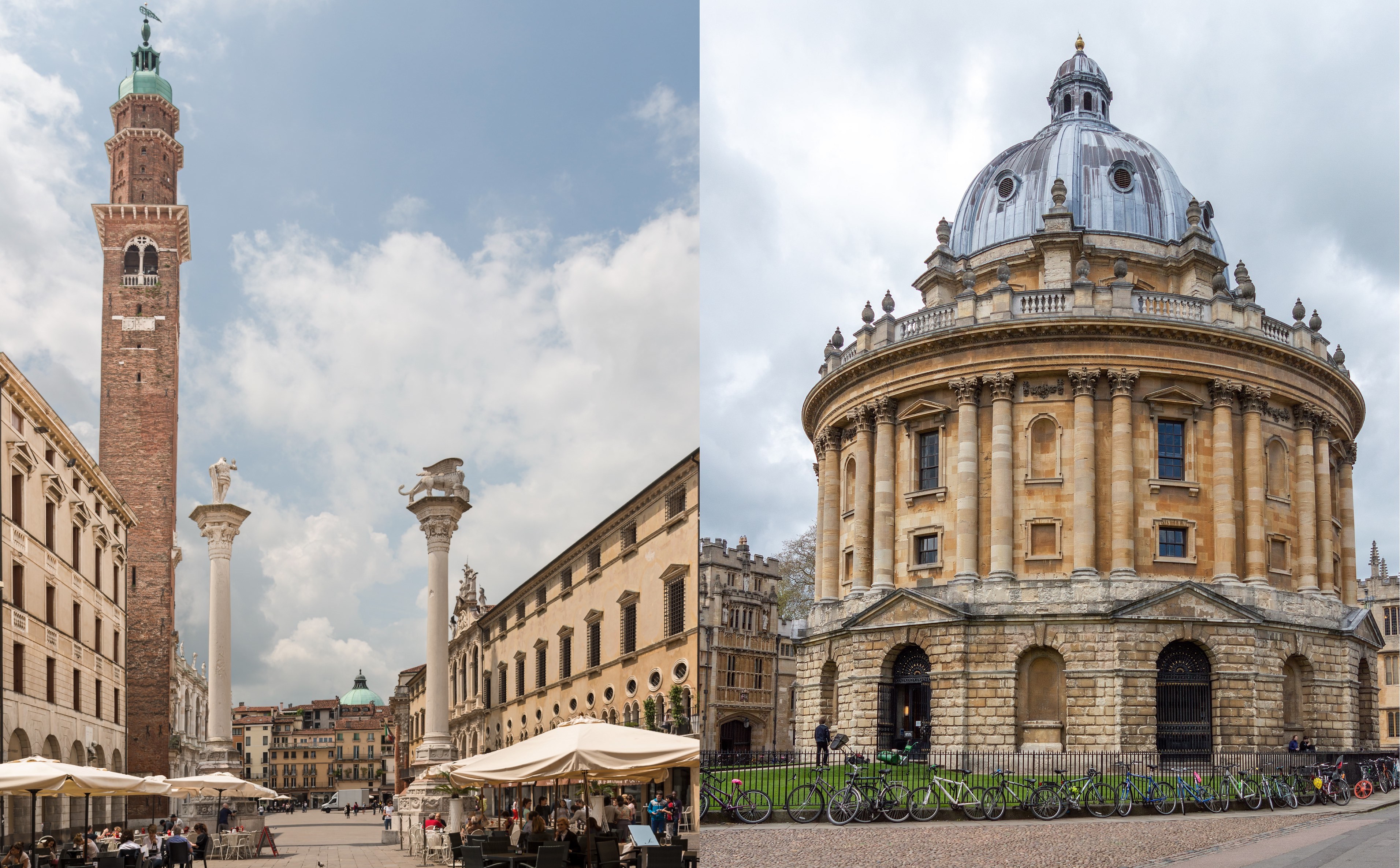
The Renaissance Revival marked a return to classical ideals after the Middle Ages. Italian architects studied ancient ruins and texts to revive the Greek and Roman styles. Buildings featured columns, arches, and domes with clear symmetry and proportion.
This period emphasized humanism and balance in design. Palaces and churches displayed clean lines and classical decorations. The Renaissance Revival spread across Europe, inspiring many architects to embrace classical forms.
Neoclassical Movement
The Neoclassical Movement emerged in the 18th century as a reaction to Baroque and Rococo styles. Architects sought simplicity and grandeur by returning to classical purity. They used large columns, triangular pediments, and plain walls.
This movement focused on clarity and order. Public buildings, museums, and government structures were designed with strong classical references. Neoclassicism symbolized reason, democracy, and civic pride.
Beaux-arts Influence
The Beaux-Arts style combined classical architecture with elaborate decoration. Originating in France, it became popular in the late 19th and early 20th centuries. Architects trained at the École des Beaux-Arts emphasized symmetry and grandiosity.
Buildings featured classical columns, sculptures, and intricate details. This style was often used for theaters, train stations, and monuments. It blended classical principles with modern construction techniques for impressive, lasting structures.
Legacy And Modern Influence
Classical architecture has left a lasting mark on the world’s buildings and design. Its principles of symmetry, proportion, and beauty still inspire architects today. The legacy of this ancient style goes beyond old ruins. It shapes modern architecture and urban landscapes.
From grand government buildings to simple homes, classical elements appear everywhere. This influence shows the timelessness of classical design. It also reveals how old ideas can fit new needs and tastes. The preservation of classical structures connects us to the past while guiding future creativity.
Timeless Appeal
Classical architecture has a universal charm. Its balance and harmony please the eye naturally. People find these buildings strong and dignified. The use of columns, pediments, and clean lines creates a sense of order. This style feels both grand and welcoming.
Many public spaces use classical design to convey trust and stability. Museums, courts, and universities often adopt this look. Its appeal crosses cultures and ages. This shows how classical architecture meets deep human needs for beauty and meaning.
Adaptations In Contemporary Architecture
Modern architects borrow classical ideas but add new twists. They simplify details and use new materials like glass and steel. Columns become sleek supports or purely decorative. Pediments might appear as geometric shapes or shadows.
These adaptations keep classical style fresh and relevant. They blend tradition with innovation. This mix helps buildings fit urban settings and modern functions. Classical design’s core remains visible, even in high-tech buildings.
Preservation Of Classical Structures
Preserving classical buildings protects cultural heritage and history. These structures tell stories of past societies and their values. Restoration efforts focus on maintaining original materials and craftsmanship. Experts use careful techniques to keep buildings stable and authentic.
Many cities create laws and programs to protect classical landmarks. Public awareness and funding support these efforts. Preserved classical buildings become tourist attractions and educational sites. They remind us of architecture’s power to connect generations.

Credit: linvisibile.com
Related Article: What Characteristics Identify Early Modern Architecture – A Complete Guide
Conclusion
Classical architecture shows timeless beauty through simple, balanced designs. Its use of columns and symmetry creates a sense of order and strength. These buildings stand as a reminder of ancient Greek and Roman skill. The style continues to inspire architects around the world today.
Understanding classical architecture helps us appreciate the roots of modern design. Its elegance and harmony remain relevant in many buildings we see daily. This enduring style connects history with the present in a clear, meaningful way.
Related Article: Architectural Design Concepts: Unleash Creativity
Pingback: Pillars in Modern Architecture: Structural Icons - SpaceArc
Pingback: Modern Vernacular Architecture: Innovative Designs for Today - SpaceArc