
When you think about architecture, what comes to mind? Sleek skyscrapers, modern glass homes, or maybe timeless cottages?
Now, imagine a style that blends the best of tradition with today’s needs—this is modern vernacular architecture. It’s about creating buildings that don’t just look good but feel right in their surroundings. Your home or workspace can reflect the local culture, climate, and materials while embracing energy efficiency and smart design.
Curious how this approach can transform your environment and lifestyle? Keep reading, and you’ll discover how modern vernacular architecture brings new life to old ideas, making spaces that truly belong to you and your community.
Related Article: Contemporary Architecture: Trends Shaping Modern Skylines

Credit: gharpedia.com
Related Article: Classical Architecture: Timeless Beauty and Iconic Design Secrets
Roots Of Vernacular Design
Vernacular design roots run deep in the history of architecture. It grows from the everyday lives of people. This design style uses local knowledge passed down through generations. It focuses on simplicity, function, and harmony with the environment.
Modern vernacular architecture keeps these principles alive. It blends tradition with new ideas and technologies. The foundation still lies in the natural, cultural, and climatic context of a place.
Local Materials And Techniques
Vernacular buildings arise from the materials at hand. Stone, wood, clay, and thatch often form the base. Builders use simple tools and traditional methods. These materials suit the environment and are easy to replace. Local skills shape the way these materials come together. This approach reduces waste and costs while supporting local economies.
Cultural Influences
Culture shapes vernacular architecture deeply. It reflects the community’s beliefs, habits, and needs. Spaces for social gatherings, rituals, and daily life show this influence. Colors, shapes, and decorations carry cultural meaning. Each building tells a story about its people. The design respects history and identity.
Climate Response
Vernacular design adapts to the local climate naturally. Thick walls keep interiors cool in hot regions. Open layouts and windows help with ventilation. Roofs shed rain or snow efficiently. These features reduce the need for artificial heating or cooling. The buildings work with nature, not against it.
Characteristics Of Modern Vernacular
Modern vernacular architecture combines the charm of local traditions with modern design. It reflects the culture and environment of a place. This style adapts old methods to meet today’s needs. It values simplicity, function, and harmony with nature.
These buildings fit naturally into their surroundings. They use local materials and respond to the climate. Modern vernacular also embraces new technology and sustainability. The result is homes and structures that feel both familiar and fresh.
Blending Tradition With Innovation
Modern vernacular architecture respects traditional forms and techniques. It updates these with modern construction methods. Designs often use simple shapes found in local history. Interiors focus on practical layouts that suit modern lifestyles.
Craftsmanship remains important, but is paired with new materials. This blend creates buildings that look timeless yet current. It honors cultural roots while improving comfort and durability.
Energy Efficiency And Sustainability
Buildings in this style prioritize energy savings. They use natural ventilation and sunlight to reduce power use. Thick walls and roof overhangs control heat gain and loss. This helps keep homes cool in summer and warm in winter.
Smart design reduces reliance on artificial heating and cooling. Water conservation techniques are often included. Modern vernacular creates healthy spaces with a low environmental footprint.
Use Of Low-Carbon Materials
This architecture favors materials with low carbon impact. Locally sourced wood, stone, and earth are common choices. These materials require less energy to produce and transport. Builders also use recycled or renewable resources.
Natural finishes avoid harmful chemicals. The focus is on durability and minimal waste. Low-carbon materials help protect the environment while preserving traditional aesthetics.
Material-based Styles
Material plays a vital role in modern vernacular architecture. It shapes how buildings look and feel. It also connects structures to their environment and culture. Using local materials keeps construction sustainable and cost-effective.
Materials influence style, durability, and climate response. Architects blend traditional materials with modern techniques. This creates homes that respect history but meet today’s needs.
Mud And Earth Structures
Mud and earth are some of the oldest building materials. They offer natural insulation, keeping interiors cool in hot climates. Techniques like adobe and rammed earth form strong, thick walls. These walls absorb heat by day and release it at night. Earth buildings are eco-friendly and blend into the landscape.
Stone Constructions
Stone is durable and fire-resistant. It is common in areas rich in rock resources. Stone walls provide excellent thermal mass, stabilizing indoor temperatures. Modern vernacular designs use stone to create timeless, solid homes. Stone also adds texture and natural beauty to structures.
Wooden Architecture
Wood is versatile and easy to work with. It suits both traditional and modern styles. Wood frames, panels, and cladding add warmth to buildings. Wood helps regulate humidity inside homes. Architects use wood to create lightweight, flexible structures that age gracefully.
Bamboo And Lightweight Builds
Bamboo grows quickly and is very strong. It is popular in tropical regions for its sustainability. Bamboo structures are lightweight and flexible, ideal for earthquake-prone zones. Modern designs use bamboo with new treatments for durability. These builds connect nature with innovative construction.
Climate-driven Designs
Climate shapes how people build their homes. Modern vernacular architecture uses this idea to create smart, eco-friendly designs. These designs respond to local weather and natural conditions. They protect from harsh sun, cold winds, heavy rains, or dry heat. The goal is comfort and energy savings without wasting resources.
Each climate zone has unique challenges. Architects study traditional methods and improve them with modern tools. This blend keeps homes natural and efficient. It connects people with their environment and reduces the need for artificial heating or cooling.
Tropical Adaptations
Homes in tropical zones stay cool by letting air flow freely. Large windows and open spaces help the breeze pass through. Roofs often have wide overhangs to block strong sun and heavy rain. Raised floors protect from flooding and insects. Natural materials like bamboo and palm leaves keep interiors fresh and dry.
Solutions For Cold Regions
Buildings in cold climates focus on trapping heat. Thick walls with insulation keep warmth inside. Small windows reduce heat loss. Roofs are steep to shed snow quickly. Materials like stone and wood provide strong protection. Interiors often include a central fireplace or stove for warmth.
Arid Climate Innovations
Dry regions need to block sun and save water. Thick adobe or mud walls absorb heat during day and release it at night. Courtyards create shaded outdoor spaces. Flat roofs collect rainwater. Small windows reduce heat gain. These designs keep homes cool and comfortable despite harsh heat.
Water-resilient Structures
Areas prone to floods or heavy rains use raised homes and stilts. Sloped roofs direct water away quickly. Waterproof materials protect walls and floors. Drainage systems keep water from pooling near the foundation. Such homes resist damage and stay safe during storms.
Cultural And Regional Examples
Vernacular architecture reflects the culture and environment of its place. It uses local materials and traditional methods to meet community needs. These buildings tell stories about the people who built them. Each region has unique styles shaped by climate and culture.
Exploring cultural and regional examples of vernacular architecture reveals diverse ways humans adapt to their surroundings. These structures blend function and identity, showing how architecture evolves with nature and tradition.
Inuit Igloos And Arctic Shelters
Igloos are dome-shaped houses made from blocks of snow. They provide warmth in freezing Arctic regions. Snow acts as an insulator, trapping heat inside. Inuit people built these shelters for hunting trips. Igloos can be built quickly and resist strong winds.
Japanese Gassho-zukuri Homes
Gassho-Zukuri homes have steep thatched roofs. The design helps snow slide off easily. These houses are found in Japan’s snowy regions. The wooden frames resemble hands in prayer. Inside, large open spaces allow for silk farming and family living.
Southeast Asian Stilt Houses
Stilt houses are raised above the ground on wooden posts. They protect from floods, insects, and wild animals. Common in tropical Southeast Asia, they improve airflow and cooling. Materials like bamboo and palm leaves are used. These homes suit wet, hot climates well.
African And European Wattle & Daub
Wattle and daub walls use woven wooden strips covered with mud or clay. This technique appears in many African and European villages. It provides sturdy, breathable walls. The materials are cheap and easy to find locally. This method keeps interiors cool in summer and warm in winter.
Native American Tipis
Tipis are cone-shaped tents made from wooden poles and animal hides. They are easy to set up and move. Native American tribes used tipis during hunting seasons. The shape sheds wind and rain efficiently. The fire inside warms the space and vents through the top.
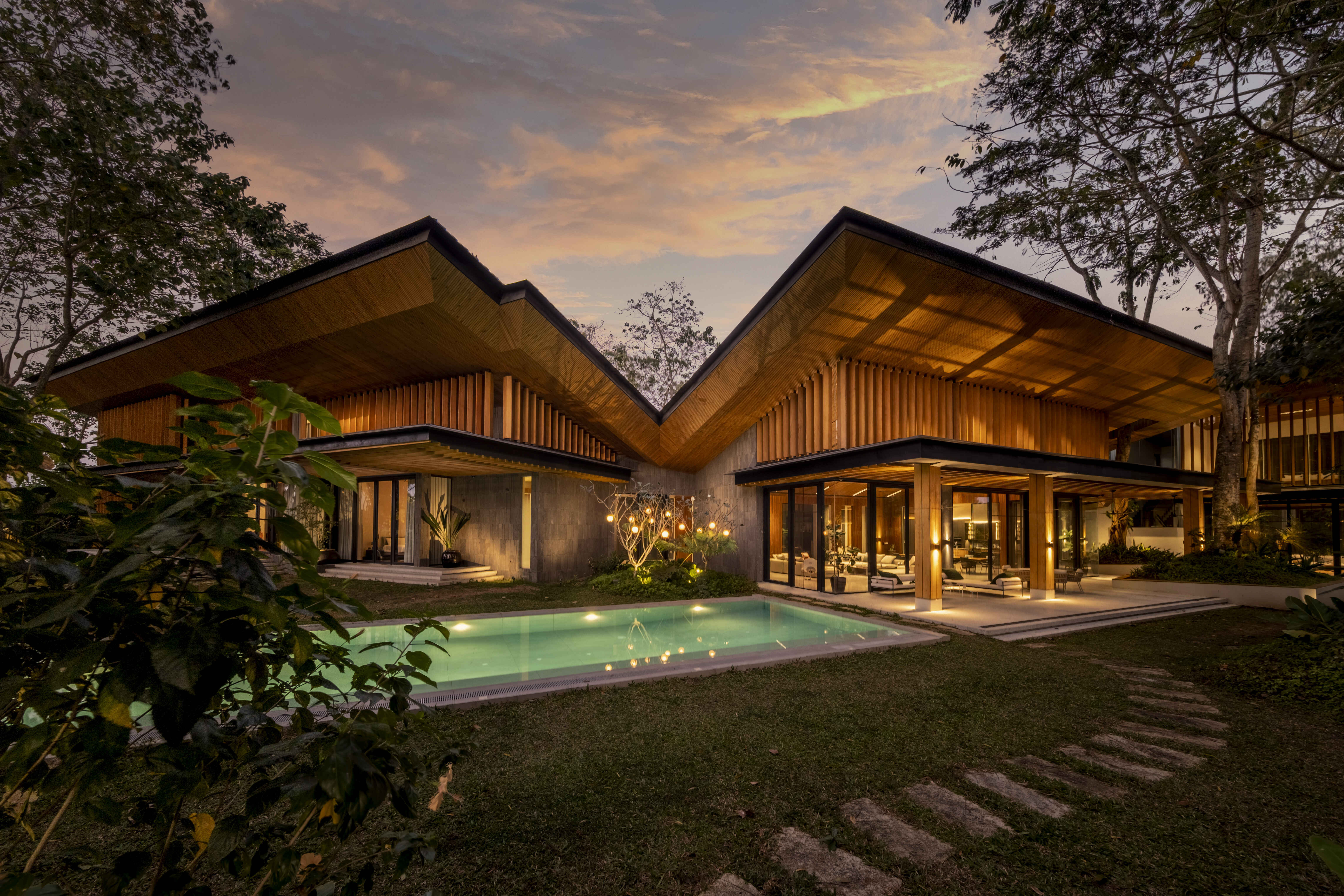
Credit: www.designandarchitecture.com
Related Article: Brutalist Architecture Characteristics: Unveiling Bold Design Elements
Modern Innovations In Vernacular
Modern innovations in vernacular architecture blend tradition with new ideas. This approach respects local culture and climate. It also uses advanced materials and technology. The goal is to create buildings that fit their environment and meet today’s needs.
Designers focus on making spaces more useful and adaptable. Sustainability plays a key role in urban settings. These innovations keep the spirit of vernacular architecture alive while improving comfort and efficiency.
Contemporary Materials And Technology
Modern vernacular architecture uses new materials that last longer and cost less. Examples include recycled wood, steel, and energy-efficient glass. Technology like solar panels and smart home systems improves energy use. These materials and tools support traditional designs but add strength and durability.
Advanced insulation and ventilation systems keep homes cool or warm naturally. Builders integrate modern tools with local techniques. This blend helps reduce energy bills and environmental impact.
Functional And Flexible Spaces
Spaces in modern vernacular buildings adapt to different needs. Rooms can serve many purposes, changing as families grow or work habits shift. Open floor plans and movable walls create flexible layouts. This flexibility makes homes more practical and comfortable.
Outdoor areas blend with indoor spaces, enhancing natural light and airflow. This design respects local customs and improves daily living. Architects design with human needs in mind, combining tradition with modern function.
Sustainable Urban Vernacular
Urban vernacular architecture focuses on green building in cities. It uses local materials to reduce transport costs and pollution. Green roofs, rainwater harvesting, and natural cooling systems are common features. These elements help cities manage heat and save water.
Urban designs also promote community and cultural identity. Public spaces reflect local heritage and encourage social interaction. This approach supports healthier, more sustainable city living while honoring tradition.
Case Studies And Projects
Exploring case studies and projects in modern vernacular architecture reveals how tradition meets innovation. These examples show how local culture, climate, and materials shape design. Each project respects its environment and community while embracing modern needs.
Examining real-world applications helps understand the modern vernacular’s impact. Architects blend past and present to create sustainable, meaningful spaces. This section highlights notable projects worldwide that embody this approach.
Austin, Texas Modern Vernacular
Austin’s architecture blends local heritage with modern styles. Designs use native materials like limestone and cedar wood. Homes often feature wide porches and large windows for natural light.
Many projects respond to Austin’s hot climate by promoting airflow. Shaded outdoor spaces reduce the need for air conditioning. This approach saves energy and connects residents to nature.
New buildings reflect Austin’s vibrant culture while respecting old neighborhoods. Architects balance tradition with contemporary needs in their designs.
Global Examples Of Revived Traditions
Worldwide, architects revive vernacular styles using modern methods. In Japan, timber frames combine with energy-efficient glass walls. This blend honors heritage and boosts comfort.
In Africa, mud brick homes gain modern insulation and rain protection. Designers keep the local look while improving durability. These buildings fit both climate and culture.
Scandinavian projects use wood and stone in simple, clean forms. They reflect regional history yet meet today’s environmental standards. This global mix keeps traditions alive.
Designs Prioritizing Community And Environment
Modern vernacular architecture often centers on community needs. Shared courtyards and public gardens encourage social interaction. These spaces strengthen neighborhood ties.
Environmental care guides many designs. Passive cooling, solar energy, and rainwater harvesting are common features. Builders use low-impact materials to reduce footprints.
Such projects create healthy, sustainable places that respect local culture. They show architecture as a tool for social and ecological balance.

Credit: www.re-thinkingthefuture.com
Related Article: Modern Architecture Styles: Discover Cutting-Edge Designs
Future Directions
The future of modern vernacular architecture holds exciting possibilities. It blends tradition with innovation to meet today’s needs. This approach respects local culture and environment. It also embraces new ideas to improve homes and communities. The next steps focus on technology, resilience, and wider adoption worldwide.
Integrating Smart Technologies
Smart technologies can enhance vernacular designs. Sensors and automation improve energy efficiency. Smart systems control lighting, heating, and cooling. They reduce waste and lower energy costs. Technology also supports health by monitoring air quality. This integration keeps traditions alive while adding modern comfort.
Promoting Resilient Communities
Resilience means adapting to climate and social changes. Vernacular architecture uses local materials that withstand the weather. It promotes natural cooling and heating techniques. Communities become safer during storms or heatwaves. Designs encourage social interaction and support local culture. Resilient communities thrive by combining old wisdom with new strategies.
Expanding Vernacular Principles Globally
Vernacular ideas can inspire building worldwide. Each region adapts principles to fit local needs. Sharing knowledge helps create sustainable homes everywhere. This spread respects diversity and builds global awareness. It supports eco-friendly practices across cultures. Expanding vernacular architecture promotes a greener, smarter future for all.
Related Article: What Characteristics Identify Early Modern Architecture – A Complete Guide
Conclusion
Modern vernacular architecture blends tradition with today’s needs. It respects local culture and climate. Buildings use natural materials from the area. Designs focus on comfort, energy use, and style. This approach creates homes that feel familiar yet fresh. It supports sustainability and community identity.
Modern vernacular architecture shows how old ideas still matter. It offers practical and beautiful living spaces worldwide. A smart choice for those valuing both heritage and innovation.
Related Article: Organic Architecture: Harmonizing Nature and Design
Pingback: Classical Architecture: Timeless Beauty and Iconic Design Secrets - SpaceArc
Pingback: Artistic Architecture: Stunning Designs That Inspire Creativity - SpaceArc