
When you look at some of America’s most famous buildings, like the U.S. Capitol or the Lincoln Memorial, you’re seeing the power of American Classical Architecture in action. This style, inspired by ancient Greece and Rome, uses balanced shapes, grand columns, and elegant details to create a sense of order and strength.
But why does this matter to you? Because understanding this architectural style helps you see how America’s ideals—like democracy and justice—are built not just in law but in stone and design. You’ll discover the key features, major styles, and iconic examples of American Classical Architecture, and how this timeless approach still influences the buildings around you today.
Ready to see your country’s history through a new lens? Keep reading.
Related Article: Iconic Architecture: Stunning Designs That Define Our World
Credit: blog.bimsmith.com
Related Article: Art Deco Style Architecture: Timeless Elegance and Bold Design
You may also read: Heritage Architecture: Preserving History Through Timeless Design
Classical Roots
American Classical Architecture has deep roots in ancient traditions. It reflects the timeless principles of balance, harmony, and beauty. These ideas come from the ancient Greeks and Romans. Their buildings inspired early American architects to create lasting symbols.
The style uses clear lines and simple shapes. It often features columns, domes, and arches. These elements give a sense of order and strength. The architecture expresses ideals important to the young nation.
Greek And Roman Influence
Greek and Roman buildings set the foundation for classical design. Greeks introduced the use of columns like the Doric, Ionic, and Corinthian styles. Romans added arches, vaults, and grand domes. These features symbolize power and elegance.
American architects copied these details to show respect for democracy and law. Public buildings especially reflect this heritage. The US Capitol and Lincoln Memorial are prime examples. They combine Greek and Roman ideas with the American spirit.
Cultural Symbolism
Classical architecture carries strong cultural meaning. It connects America to the ideals of ancient republics. The style stands for democracy, justice, and civic pride. It reminds citizens of their shared values and history.
Using this style in government buildings sends a clear message. It shows stability and permanence. It also reflects the nation’s hopes for a fair and free society. Classical forms become symbols of trust and tradition.
Adaptation To American Ideals
American architects adapted classical forms to fit new ideas. They simplified details and focused on symmetry and proportion. The style blended with local materials and climates. This created a unique American version of classical architecture.
Buildings became more than copies of ancient ones. They expressed ideals like freedom, equality, and republicanism. This adaptation helped shape a national identity. It influenced homes, schools, and important civic structures.
Key Features
American Classical Architecture stands out through its timeless and elegant design. It reflects ancient Greek and Roman principles. The style focuses on balance, order, and clear shapes. These key features create a sense of harmony and strength in buildings. Many famous American landmarks use these elements to express democracy and tradition.
Symmetry And Proportion
Symmetry means both sides of a building match perfectly. This balance creates a calm and stable look. Proportion refers to the size relationship between parts of a building. Correct proportions make structures pleasing to the eye. Architects use simple math to keep these elements in harmony.
Columns And Orders
Columns are tall, vertical supports used in many designs. There are five main types, called orders: Doric, Ionic, Corinthian, Tuscan, and Composite. Each order has unique details and decorations. Columns provide strength and add a classic touch. They often frame entrances or support roofs.
Pediments And Domes
Pediments are triangular shapes found above doors or windows. They create a grand, formal look. Domes are rounded roofs that crown buildings. Domes symbolize power and unity. These features make structures look noble and impressive. Many government buildings use pediments and domes.
Decorative Elements
Decorations include carved moldings, friezes, and cornices. These small details add beauty without clutter. Patterns often show leaves, scrolls, or classical symbols. Decorations highlight important parts of a building. They connect the design to ancient traditions.
Major Styles
American Classical Architecture features several major styles. Each style reflects the nation’s history and ideals. These styles share symmetry, strong columns, and grand shapes. They appear in homes, public buildings, and monuments. Understanding these styles helps appreciate America’s architectural heritage.
Federal Style
The Federal Style emerged after the American Revolution. It symbolizes the new nation’s desire for order and balance. This style uses simple, elegant lines and modest decoration. Fanlights and sidelights around doors are common features. Buildings often have brick facades with white trim. The style reflects the ideals of democracy and unity.
Greek Revival
Greek Revival grew popular in the early 1800s. It draws inspiration from ancient Greek temples. Tall columns with Doric or Ionic capitals are signature elements. Pediments and heavy cornices add to the grandeur. This style represents America’s admiration for Greek democracy. Many homes and public buildings adopted this look.
Beaux-arts
Beaux-Arts style arrived in the late 19th century. It combines classical Greek and Roman features with Renaissance details. Elaborate ornamentation and grand stairways are typical. Large columns, domes, and sculptural decorations stand out. This style suits museums, libraries, and government buildings. It expresses wealth and cultural pride.
Neoclassical
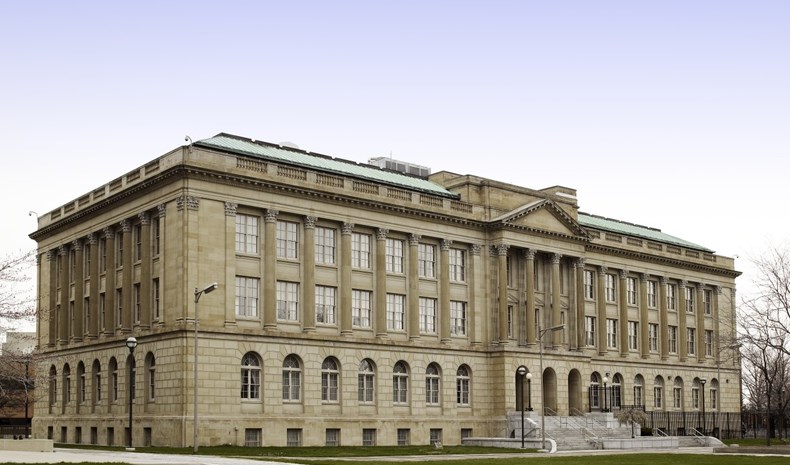
Neoclassical style revives classical Greek and Roman architecture. It emphasizes symmetry, tall columns, and domed roofs. Facades are often simple and majestic. This style became popular for banks, courthouses, and schools. It conveys stability, tradition, and strength. The style remains influential in American architecture today.
Iconic Buildings
American Classical Architecture showcases some of the most iconic buildings in the United States. These structures reflect the nation’s respect for democracy and history. The style is known for its grand columns, balanced proportions, and detailed ornamentation. Many famous landmarks in Washington D.C. and beyond embody this tradition. They inspire visitors with their elegance and timeless design.
U.s. Capitol And White House
The U.S. Capitol stands as a symbol of American democracy. Its large dome and columns draw from Roman and Greek styles. The building houses the legislative branch of government. The White House serves as the president’s official residence. Its neoclassical facade features elegant columns and a balanced design. Both buildings represent power and heritage.
Lincoln And Jefferson Memorials
The Lincoln Memorial honors President Abraham Lincoln’s legacy. Its design mimics a Greek temple with massive columns and a grand staircase. The Jefferson Memorial celebrates Thomas Jefferson’s vision for America. It features a circular dome and classical columns. These memorials emphasize the ideals of freedom and leadership.
New York Public Library
The New York Public Library is a stunning example of the Beaux-Arts style. Its grand entrance includes large Corinthian columns and detailed sculptures. The building blends classical design with modern functionality. It stands as a cultural treasure in Manhattan. Visitors admire its grandeur and rich architectural details.
Empire State Building
The Empire State Building is a famous skyscraper in New York City. While mostly Art Deco, it incorporates classical elements in its strong, symmetrical form. The building represents innovation and American ambition. It was the tallest building in the world for decades. Its design continues to captivate architects and tourists alike.
Design Secrets
American Classical Architecture holds timeless design secrets. These secrets reveal the style’s lasting beauty and influence. The architecture balances form, function, and symbolism. Each element serves a purpose, creating harmony and strength. Understanding these design secrets helps appreciate classic American buildings deeply.
Use Of Proportion And Scale
Proportion and scale guide the entire design. Architects use mathematical ratios to create balance. Buildings feel stable and pleasing to the eye. Large columns match the size of the structure. This careful sizing creates visual harmony and order. Spaces inside and outside maintain a human scale for comfort.
Material Choices
Materials reflect durability and elegance. Stone, brick, and wood are common in classical buildings. Marble and limestone add grandeur to important sites. These materials age well, gaining character over time. The choice also links to the building’s purpose and status. Natural textures enhance the visual and tactile appeal.
Integration With Landscape
Classical buildings blend with their natural settings. Architects position structures to complement the land’s shape. Gardens, pathways, and water features frame the design. Open spaces create a sense of calm and order. The landscape extends the building’s symmetry and balance. This connection respects nature and enhances beauty.
Symbolic Elements
Symbols express deeper meanings in classical architecture. Columns represent strength and democracy. Pediments often depict historical or mythological scenes. Domes suggest the heavens or unity. These elements connect the building to cultural ideals. Symbolism creates a powerful story beyond the structure itself.

Credit: www.amazon.com
Related Article: Neo Classical Architecture: Timeless Elegance and Modern Influence
Civic Impact
American Classical Architecture has shaped more than just buildings. It has deeply influenced civic life and government ideals. This style reflects the values and principles of democracy. Its impact extends beyond design, affecting how cities grow and how public buildings serve citizens.
Expression Of Democracy
Classical architecture symbolizes democratic ideals. Columns, domes, and pediments echo ancient Greece and Rome. These civilizations inspired the birth of democracy. Public buildings using classical styles show stability and justice. They create trust and respect among citizens. Architecture becomes a language of power and fairness.
Urban Planning Influence
Classical design guides city layouts and public spaces. Wide avenues, grand squares, and orderly streets reflect harmony and balance. This planning supports community interaction and civic pride. Many American cities adopted these ideas to create welcoming environments. The style encourages walkability and accessibility. It shapes how people experience urban life.
Federal Building Mandates
The federal government has promoted classical architecture for public buildings. Laws and policies require courthouses, post offices, and offices to follow classical designs. This creates a unified appearance across cities and states. It connects modern America to its historical roots. Classical style in federal buildings inspires citizens and honors tradition. The mandate supports a strong, consistent national identity.
Modern Revival
The modern revival of American classical architecture brings historic styles into today’s world. It blends old design principles with new needs. This revival respects the past while embracing modern technology and materials.
Architects and planners now revisit classical forms. They adapt these elements for contemporary buildings. This creates structures that feel timeless yet fresh.
Contemporary Architects
Many architects today use classical ideas in their projects. They study ancient Greek and Roman designs closely. These experts combine columns, arches, and symmetry with modern layouts.
Some architects focus on public buildings. They create spaces that inspire civic pride and respect tradition. Their work makes classical architecture relevant for new generations.
Sustainability And Timelessness
Classical architecture’s emphasis on solid forms supports sustainability. Durable materials like stone and brick last for centuries. This reduces waste and the need for frequent repairs.
Modern revivals add eco-friendly features. Energy efficiency and natural light are priorities. These buildings prove classical styles can meet today’s green standards.
Recent Government Initiatives
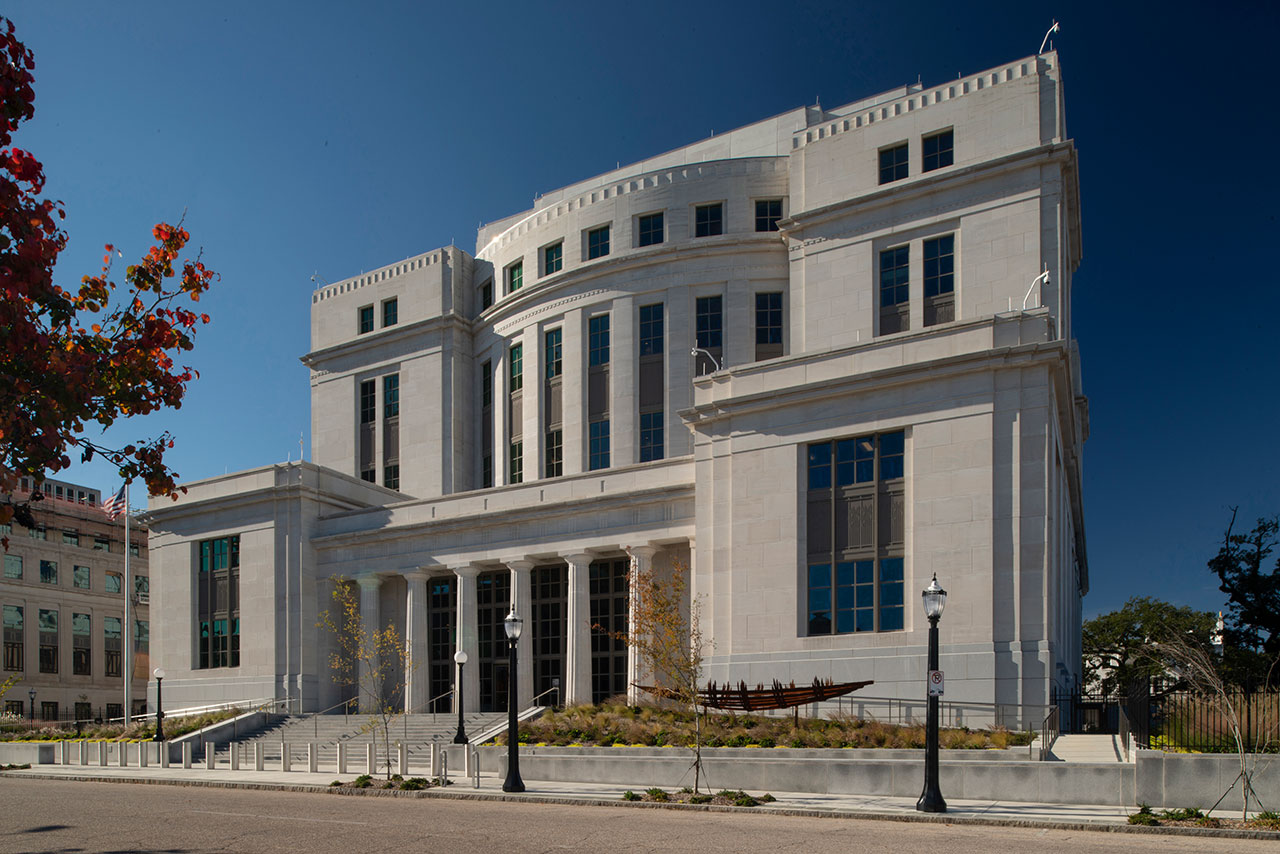
The government encourages classical architecture for federal buildings. Executive orders promote classical styles in courthouses and offices. This effort highlights America’s cultural heritage.
These initiatives aim to connect communities with their history. They also boost civic pride through beautiful, enduring architecture. Federal projects now showcase classical design as a symbol of stability.
Credit: www.city-journal.org
Related Article: Artistic Architecture: Stunning Designs That Inspire Creativity
Conclusion
American Classical Architecture remains a powerful symbol of democracy. It combines beauty, balance, and history in every structure. From grand government buildings to smaller homes, its influence is clear. This style connects modern America to ancient Greece and Rome. It inspires respect and pride in public spaces.
Studying these buildings helps us appreciate our cultural roots. The legacy of classical design continues to shape American cities today.
Related Article: Beautiful Old Architecture: Timeless Wonders That Inspire Awe