
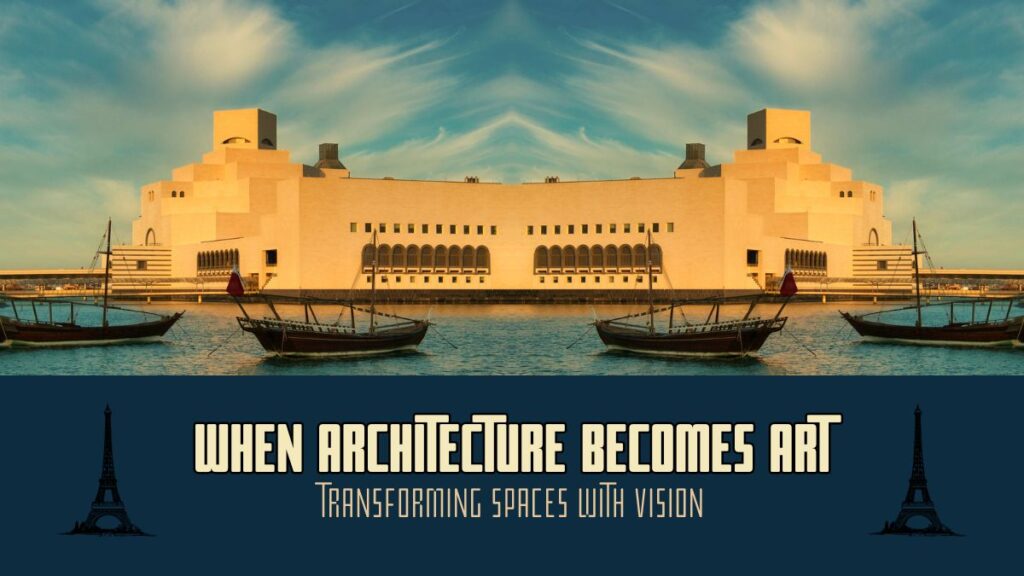
Have you ever paused to admire a building and felt something deeper than just its shape or size? That’s the magic when architecture becomes art.
It’s not just about walls and roofs; it’s about how structures inspire your emotions, tell stories, and connect with your soul. You’ll discover how architects blend creativity with purpose, turning everyday spaces into breathtaking works that speak to who we are.
Ready to see the buildings around you in a whole new light? Keep reading, and let’s explore the powerful fusion of design and expression.
Related Article: Architectural Design Concepts: Unleash Creativity
Related Article: How Does Architecture Help Society: Shaping Our World
Related Article: Best Ai Tools for Architects: Transform Your Design Process Today
Architecture As Art
Architecture is more than just building structures. It is a form of art that blends creativity with function. This art form shapes the spaces where people live, work, and gather. It creates experiences that touch emotions and inspire minds.
Architecture as art goes beyond utility. It captures beauty, culture, and expression in physical form. Each design reflects the architect’s vision and the society’s identity. The result is a powerful visual language that speaks to all who see it.
Emotional And Aesthetic Impact
Architecture can evoke strong emotions. A well-designed building can inspire awe, calm, or excitement. Its shapes, colors, and light create moods that affect how people feel. This emotional impact makes architecture a true art form.
Beautiful architecture invites people to explore and connect. It can tell stories without words. By shaping spaces that delight the senses, it adds value beyond mere function.
Creative Design And Expression
Architects use creativity to solve design challenges. Their work blends imagination with practical needs. Each building becomes a unique expression of ideas and vision.
Creative design pushes boundaries and explores new forms. Architects experiment with materials, shapes, and technology. This freedom of expression turns buildings into art pieces that stand out.
Visual Elements In Architecture
Architecture uses visual elements like line, shape, and color. These elements work together to create harmony and balance. Texture and pattern add depth and interest to surfaces.
Light and shadow play a key role in enhancing visual appeal. The interaction of these elements guides the eye and shapes perception. This visual language makes architecture a captivating art.
Cultural Significance And Identity
Architecture reflects cultural values and history. It expresses the identity of communities and nations. Buildings often symbolize traditions, beliefs, and progress.
Through design, architecture preserves heritage and tells cultural stories. It connects people to their roots and shapes future generations. This cultural role adds deep meaning to architectural art.

Credit: www.reddit.com
Related Article: What Characteristics Identify Early Modern Architecture – A Complete Guide
Architecture As Science
Architecture stands at the crossroads of creativity and precision. It is not just about designing beautiful buildings. It is also about applying scientific principles to ensure safety, durability, and usefulness. The science behind architecture guides architects to create spaces that work well and last long.
This balance between art and science makes architecture unique. Understanding the scientific side helps appreciate how buildings function beyond their appearance.
Functionality And Utility
Every building must serve a purpose. Architects plan spaces that support daily activities. Rooms need proper size, layout, and access. Functionality ensures that a building meets the needs of its users.
Good design improves comfort and convenience. It considers light, air, and movement. Without functionality, even the most beautiful structure fails as architecture.
Engineering And Technical Precision
Engineering is the backbone of architecture. Precise calculations guarantee that buildings stand firm. Load, stress, and balance are carefully measured. Technical skills help avoid structural failures.
Modern tools like computer modeling assist architects. These tools predict how materials behave. They help create safe and efficient designs.
Materiality And Structural Stability
Choosing the right materials is crucial. Materials must support the building’s weight and resist weather. Stone, steel, concrete, and wood each have unique properties.
Structural stability means the building stays safe over time. Architects test materials to ensure strength and durability. This science protects lives and preserves architecture’s integrity.
Blending Art And Function
Blending art and function in architecture means creating buildings that are both beautiful and useful. This balance shapes spaces that inspire and serve daily needs. Architects combine creativity with practical design to enrich human experiences. The result is structures that please the eye and fulfill their purpose effectively.
Each architectural project tells a story through form and function. The art lies in how a building looks, while the function lies in how it works. Together, they create meaningful environments that connect people to place.
Balancing Beauty With Purpose
Designers must balance visual appeal with practical needs. A building should catch attention and feel welcoming. At the same time, it must be safe, comfortable, and usable. This harmony ensures spaces do not sacrifice function for style. Beauty and purpose work together to enhance everyday life.
Innovative Use Of Space
Smart design uses space creatively and efficiently. Architects rethink layouts to maximize comfort and flow. Flexible areas adapt to different activities and needs. Clever use of light and materials adds artistic value. Innovation turns ordinary spaces into inspiring places to live and work.
Sustainability And Contextual Design
Architecture must respect its environment and resources. Sustainable design reduces waste and energy use. It fits naturally within its setting and culture. Using local materials and green technologies supports this goal. Eco-friendly buildings blend art with responsibility toward the planet.

Credit: www.youtube.com
Related Article: Organic Architecture: Harmonizing Nature and Design
Transforming Spaces Visually
Transforming spaces visually is at the heart of architectural artistry. It shapes how people experience and interact with their surroundings. Architecture moves beyond mere construction to create environments that inspire and engage the senses. Visual transformation gives spaces new meaning and life, turning ordinary places into memorable experiences.
Iconic Architectural Examples
Some buildings stand out as pure works of art. The Guggenheim Museum in New York uses sweeping curves to draw visitors inside. The Sydney Opera House features sail-like roofs that rise like sculptures. These landmarks show how architecture can captivate through form and design. They prove that buildings can be both functional and visually stunning.
Use Of Light And Color
Light changes how we see a space. Architects design windows and openings to invite natural light, creating mood and depth. Color adds emotion and highlights key features. Bright hues can energize, while soft tones calm the mind. Thoughtful use of light and color turns simple rooms into dynamic, living spaces.
Texture And Form In Design
Texture gives buildings a tactile quality that appeals to touch and sight. Rough stone, smooth glass, or patterned metal create contrast and interest. Form shapes the building’s silhouette and guides the eye. Bold angles or flowing curves can make a structure feel strong or graceful. Together, texture and form bring a building’s personality to life.
Architect’s Vision And Influence
The architect’s vision shapes more than buildings. It influences how we see and feel spaces. Architects blend creativity with purpose, turning ideas into artful structures.
This vision guides every detail, from the broad design to the smallest element. Architecture becomes a language that speaks through form, light, and texture. It reflects personal insight and cultural stories.
Imagination In Architecture
Imagination drives architecture beyond simple construction. Architects dream of spaces that inspire and surprise. They explore shapes and materials in new ways. This creative spark turns buildings into unique experiences.
Bold ideas challenge usual limits. Spaces become places of wonder and beauty. Imagination allows architects to solve problems with elegance and style.
Cultural And Historical Inspirations
Architects often draw from the past and local culture. History offers lessons and stories that shape design choices. Cultural symbols and traditions enrich buildings with meaning.
This connection roots architecture in its place and time. It respects heritage while offering fresh interpretations. The result is a dialogue between old and new.
Impact On Human Experience
Architecture affects how people live and interact. Thoughtful design improves comfort, safety, and mood. Spaces can inspire creativity or promote calmness.
Good architecture considers human scale and needs. It creates environments that encourage connection and well-being. The architect’s vision helps shape daily life through built form.
Related Article: Iconic Architecture: Stunning Designs That Define Our World
Conclusion
Architecture blends creativity and purpose in every structure it shapes. It transforms simple buildings into inspiring works of art. This fusion engages our emotions and enriches our surroundings. People connect with spaces that tell stories and reflect culture. Art in architecture is visible in lines, colors, and forms.
It balances beauty with practical needs like safety and function. This unique mix makes architecture both useful and expressive. Buildings become more than shelters; they become symbols and experiences. The art of architecture continues to evolve and inspire us all.
Related Article: Architectural Design Concepts: Unleash Creativity