
If you find yourself drawn to bold shapes, rich colors, and designs that celebrate the spirit of progress, then Art Deco style architecture will captivate your imagination. This style stands out with its sharp geometric patterns, sleek lines, and luxurious materials that combine to create buildings that look both modern and timeless.
Imagine walking past a structure where every detail—from the stepped forms to the gleaming chrome accents—tells a story of elegance, innovation, and craftsmanship. You’ll discover what makes Art Deco architecture unique, how to recognize its key features, and why it continues to inspire architects and design lovers around the world.
Get ready to see architecture through a fresh lens that speaks directly to your appreciation for beauty and bold design.
Credit: www.novatr.com
Art Deco Roots
Art Deco style architecture has deep and fascinating roots. It emerged as a bold new design language in the early 20th century. This style reflects a shift towards modernity, elegance, and technology. Its origins reveal a blend of cultural, industrial, and artistic influences.
Origins And Era
Art Deco began in the 1920s and lasted through the 1930s. It was born after World War I, during a time of recovery and hope. The style first appeared in Paris at the 1925 Exposition Internationale des Arts Décoratifs. It quickly spread worldwide, influencing architecture, fashion, and design. The era was marked by rapid urban growth and new technologies.
Machine Age Inspiration
The Machine Age fueled Art Deco’s unique look. Designers drew inspiration from industrial progress. Machines, cars, airplanes, and trains shaped the style’s sleek lines and shapes. Streamlined forms and geometric patterns symbolized speed and efficiency. This connection celebrated human achievement and the future.
Global Influences
Art Deco absorbed styles from around the world. Ancient Egyptian motifs became popular after King Tut’s tomb discovery. African and Mesoamerican designs also added exotic flair. These influences mixed with European modernism and American innovation. The result was a rich, vibrant style that crossed cultural boundaries.

Credit: www.elledecor.com
Key Features
Art Deco style architecture stands out through distinct and eye-catching features. These elements define its unique look and timeless appeal. The style embraces modernity while celebrating fine craftsmanship and bold design choices. Below are some key features that make Art Deco architecture instantly recognizable.
Geometric Patterns
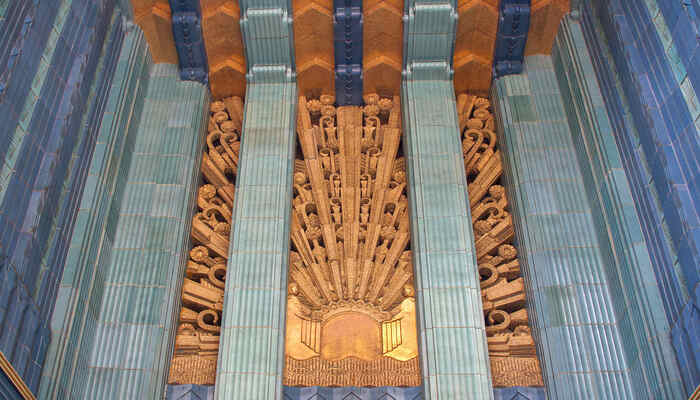
Geometric shapes are central to Art Deco design. Sharp angles, zigzags, chevrons, and sunburst motifs create dynamic visual effects. Repeated patterns add rhythm and energy to surfaces. These shapes often form bold, symmetrical designs on facades and interiors.
Symmetry And Streamlining
Art Deco favors balanced and orderly compositions. Buildings display symmetry with carefully aligned elements. Streamlined curves and smooth surfaces reflect speed and efficiency. This influence comes from machines like trains and ocean liners, symbolizing progress and modern life.
Luxurious Materials
High-quality materials define Art Deco’s glamorous feel. Marble, chrome, stainless steel, and lacquer shine brightly. Exotic woods and decorative glass add richness. These materials highlight the era’s love for luxury and innovation.
Bold Color Palettes
Colors in Art Deco are vivid and striking. Deep jewel tones such as emerald, sapphire, and ruby appear often. Black, gold, and silver create strong contrasts. These palettes enhance the style’s dramatic and elegant mood.
Exotic Motifs
Art Deco draws inspiration from ancient cultures. Egyptian symbols, African patterns, and Mesoamerican designs appear frequently. These motifs add mystery and global flair. They reflect a fascination with history and distant lands.
Vertical Emphasis
Tall, narrow shapes define many Art Deco buildings. Stepped setbacks and spires create upward movement. This vertical focus symbolizes ambition and growth. Iconic skyscrapers showcase this feature perfectly.
Craftsmanship And Decoration
Fine craftsmanship is essential in Art Deco architecture. Decorative details include intricate metalwork, carved stone, and patterned tiles. Ornamentation celebrates beauty and skill. This attention to detail adds richness and character to structures.
Architectural Styles
Art Deco style architecture features distinct styles that shaped the early 20th century. These styles reflect changes in technology, culture, and design preferences. Each style offers unique details and forms, making Art Deco diverse and visually striking.
Classic Art Deco
Classic Art Deco highlights geometric shapes and strong symmetry. Buildings often include zigzags, chevrons, and sunbursts. Materials like chrome, glass, and exotic woods create a luxurious look. This style celebrates progress and elegance. Famous skyscrapers like the Chrysler Building showcase Classic Art Deco’s grandeur.
Art Moderne
Art Moderne is simpler and more streamlined than Classic Art Deco. It focuses on horizontal lines and smooth surfaces. Rounded corners and glass blocks are common features. This style emphasizes speed and efficiency, inspired by machines and automobiles. It creates a sleek, modern appearance in buildings.
Streamlined Forms
Streamlined Forms in Art Deco reflect aerodynamic shapes and smooth curves. These designs mimic trains, airplanes, and ocean liners. The style avoids sharp angles, favoring flowing lines and rounded edges. It gives buildings a sense of motion and modernity. This approach connects architecture with the machine age spirit.
Famous Examples
Art Deco style architecture boasts some of the most iconic buildings and districts worldwide. These examples highlight the bold geometric shapes, luxurious materials, and streamlined forms typical of the style. They demonstrate the elegance and modernity Art Deco brought to the early 20th-century urban landscape.
Chrysler Building
The Chrysler Building in New York City is a prime example of Art Deco architecture. It features a shiny stainless steel crown with sunburst patterns. The building’s setbacks create a tiered effect, emphasizing verticality. Its decorative metalwork and geometric shapes showcase the style’s luxurious detail.
Empire State Building
The Empire State Building stands as another landmark of Art Deco design. It uses strong vertical lines and stepped setbacks. The tower’s sleek silhouette reflects modernity and progress. Its lobby contains rich materials like marble and chrome, enhancing the lavish atmosphere.
Miami Beach District
Miami Beach’s Art Deco District offers a colorful and vibrant example. The buildings feature pastel colors and bold geometric patterns. Rounded corners, glass blocks, and neon signs add to the style’s charm. This district preserves the spirit of 1930s coastal glamour and design.
Materials And Techniques
Art Deco style architecture stands out for its distinctive use of materials and techniques. These choices bring the style’s bold geometric shapes and rich textures to life. The materials often combine luxury with modern industrial elements. Builders and designers mixed traditional craftsmanship with new technologies. This blend created the sleek, elegant look unique to Art Deco.
Stucco And Terra-cotta
Stucco is a key material in Art Deco buildings. It provides a smooth surface ideal for sharp geometric patterns. Terra-cotta adds decorative flair with molded shapes and tiles. Both materials offer durability and allow intricate detailing. They also enable colorful finishes that highlight Art Deco’s vibrant style. These materials helped architects create sculptural facades with clean lines.
Chrome And Stainless Steel
Chrome and stainless steel bring a shiny, futuristic feel to Art Deco designs. They emphasize the style’s focus on machine-age aesthetics. These metals appear in railings, fixtures, and trims. Their reflective surfaces catch light and add sparkle. Chrome and steel also suggest strength and modernity. Their use signals the embrace of industrial progress in architecture.
Decorative Glass And Mosaic
Decorative glass and mosaics add color and texture to Art Deco buildings. Stained glass windows often feature geometric patterns or sunburst motifs. Mosaics use small, colored tiles to create bold designs on walls and floors. These elements bring light and artistry together. They enrich spaces with vibrant visual interest. Decorative glass and mosaics highlight the style’s luxury and craftsmanship.
Exotic Woods And Lacquer
Exotic woods add warmth and richness to interiors in Art Deco architecture. Woods like ebony and mahogany are common choices. Lacquer finishes enhance these woods with a glossy, smooth surface. This technique highlights the wood’s natural grain and color. Exotic woods and lacquer reflect the style’s love of luxury. They create elegant contrasts with metal and glass elements.

Credit: en.wikipedia.org
Art Deco Beyond Architecture
Art Deco style goes far beyond buildings. It influenced many areas of design in the 1920s and 1930s. This style brought elegance and modernity to everyday objects. Its bold shapes and rich materials made ordinary items look luxurious. The impact of Art Deco can still be seen today in various creative fields.
Art Deco’s strong lines and geometric patterns appeared in furniture, jewelry, posters, and even cars. Each area embraced the style’s love for symmetry and shine. This helped spread the Art Deco look worldwide, making it a symbol of the machine age and glamour.
Furniture And Interiors
Art Deco furniture features clean lines and glossy finishes. Designers used exotic woods, chrome, and lacquer to create striking pieces. Chairs, tables, and cabinets often show geometric patterns and symmetrical shapes. Interiors matched this style with bold colors and sleek lighting. This design made rooms feel modern and stylish.
Jewelry And Accessories
Jewelry from the Art Deco period is known for its sharp angles and bright gems. Designers combined diamonds, sapphires, and emeralds in geometric settings. Accessories like watches and handbags also followed the style. These pieces reflected the era’s love for luxury and precision. They remain popular for their timeless appeal.
Advertising And Posters
Art Deco influenced advertising with strong visuals and simple shapes. Posters used bold colors and clear lines to attract attention. The style gave a modern look to product ads and travel posters. This made brands appear fresh and exciting. The graphic style helped communicate speed, progress, and elegance.
Automotive Design
Cars of the Art Deco era showed sleek, streamlined shapes. Designers used chrome details and smooth curves. This style suggested speed and luxury. Classic cars often had bold grilles and shiny finishes. The look combined function and beauty in a new way.
Legacy And Influence
The legacy of Art Deco style architecture remains strong in cities worldwide. Its bold shapes and lavish materials changed the way people think about buildings. The style left an imprint on design, inspiring many creative directions. The influence of Art Deco is visible in both old structures and new creations. This impact continues to shape modern design trends and preservation efforts.
Modern Design Impact
Art Deco introduced sharp lines and geometric shapes to architecture. These elements appear in modern buildings and interiors today. Designers borrow from its sleek, symmetrical forms to create stylish spaces. The use of luxurious materials like chrome and glass also remains popular. Art Deco’s emphasis on ornamentation encourages designers to mix beauty with function. This blend keeps the style relevant in contemporary design.
Preservation Efforts
Many Art Deco buildings face threats from decay and development. Preservation groups work hard to protect these historic gems. Restoring original details helps maintain the style’s unique charm. Cities like Miami and New York lead efforts to save iconic Art Deco districts. These efforts raise awareness about the style’s cultural value. Preserved buildings become landmarks and tourist attractions, benefiting local communities.
Contemporary Revivals
New projects often revive Art Deco’s classic elements in fresh ways. Architects and designers mix vintage motifs with modern technology. This approach respects tradition while appealing to current tastes. Interior design sees a rise in Art Deco-inspired furniture and decor. The style’s bold colors and patterns add drama and elegance. Contemporary revivals keep Art Deco alive and exciting for new generations.
Conclusion
Art Deco style architecture stands out with bold shapes and bright colors. It blends luxury with modern, machine-inspired design. Buildings show sharp angles, symmetry, and fine details. Rich materials like chrome and exotic woods create a unique look. This style captures the energy of the early 20th century.
Its influence remains visible in cities worldwide today. Appreciating Art Deco means seeing the beauty in both form and function. It celebrates progress while keeping elegance alive. Exploring these buildings reveals a story of creativity and innovation.