
When you stand before beautiful old architecture, you don’t just see stone and mortar—you feel a connection to stories, cultures, and craftsmanship that have stood the test of time. These structures invite you to pause and appreciate the artistry that shaped them, from intricate carvings to grand domes that touch the sky.
Whether it’s the timeless elegance of a marble mausoleum or the weathered charm of a centuries-old cathedral, old architecture speaks directly to your senses and emotions. You’ll discover what makes these architectural masterpieces so captivating and why they continue to inspire awe around the world.
Get ready to see beauty through a new lens—one that honors history, design, and the power of human creativity.
Related Article: Best Ai Tools for Architects: Transform Your Design Process Today
Iconic Monuments
Iconic monuments stand as timeless symbols of human creativity and history. These structures tell stories of past civilizations and their remarkable skills. They draw millions of visitors who admire their beauty and grandeur.
Each monument reflects the culture and beliefs of its time. Their designs inspire architects and artists around the world. These landmarks remain important for education and tourism today.
Taj Mahal, India
The Taj Mahal is a white marble mausoleum built in the 17th century. It represents eternal love and is one of the New Seven Wonders. Its intricate details and symmetrical design attract visitors worldwide.
Sagrada Familia, Spain
Designed by Antoni Gaudí, the Sagrada Familia combines Gothic and Art Nouveau styles. Construction began in 1882 and continues today. Its unique towers and colorful stained glass windows impress every visitor.
Pyramids Of Giza, Egypt
The Pyramids of Giza are ancient tombs built over 4,500 years ago. They show the incredible engineering skills of the ancient Egyptians. These massive stone structures still inspire wonder and mystery.
Hagia Sophia, Turkey
Hagia Sophia served as a cathedral, mosque, and museum. Its large dome and beautiful mosaics highlight Byzantine architecture. The building reflects a mix of religious and cultural history.
Fallingwater, USA
Frank Lloyd Wright designed Fallingwater to blend with nature. The house sits over a waterfall in Pennsylvania. It shows harmony between architecture and the natural environment.
Religious Marvels
Religious marvels stand as timeless testaments to faith and artistic vision. They blend spirituality with stunning design. These structures inspire awe with their intricate details and grand scale.
Many religious buildings reflect the culture and history of their time. They showcase skilled craftsmanship and unique architectural styles. Visiting these sites offers a glimpse into ancient beliefs and traditions.
Iconic Historical Religious Sites
Sites like the Taj Mahal in India represent eternal love and devotion. Its white marble shines with elegance and precision. Spain’s Sagrada Familia combines Gothic and Art Nouveau styles. Its towering spires reach toward the sky, symbolizing spiritual ascent. The Pyramids of Giza in Egypt display ancient engineering mastery. They hold mysteries and stories from thousands of years ago.
Architectural Features Of Religious Marvels
Domes, arches, and stained glass windows define these sacred places. The Hagia Sophia in Turkey boasts a vast dome that seems to float. Italy’s Pantheon remains one of the best-preserved ancient temples. Its oculus opens to the heavens, creating a divine atmosphere. Minarets and intricate carvings add to the visual richness of mosques and temples.
Cultural And Spiritual Significance
Religious architecture often symbolizes deeper meanings. The design reflects beliefs, rituals, and community values. These buildings serve as places for worship and gathering. They connect people to their heritage and to each other. Their beauty comes from both form and function, inspiring peace and reflection.
Ancient Engineering Feats
Ancient architecture shows incredible skills in engineering and design. These structures lasted thousands of years. They reveal how early humans solved big problems with limited tools.
Studying these feats helps us understand early technology and creativity. The designs often combined beauty with strong, lasting materials. Many still inspire architects today.
Roman Aqueducts
Roman aqueducts moved water over long distances. They used arches to support heavy stone channels. This allowed cities to grow by supplying fresh water.
Their precise gradients kept water flowing without pumps. Some aqueducts still stand as a symbol of Roman engineering power.
Egyptian Pyramids
The pyramids required careful planning and strong foundations. Builders moved huge stones with simple machines and manpower. The shape helped distribute weight evenly.
These tombs are aligned with stars, showing advanced knowledge of astronomy and math. They remain among the most famous ancient structures.
Great Wall Of China
The Great Wall stretches thousands of miles across rough terrain. Builders used local materials like stone and earth. It acted as a defense and a barrier.
The wall features watchtowers and signal fires. Its design helped protect ancient China from invasions.
Mayan Step Pyramids
Mayan pyramids served as temples and ceremonial sites. They used stepped layers to create tall, stable structures. The builders mastered precise stone cutting.
The pyramids are aligned with celestial events. This shows their deep understanding of time and nature.
Masterpieces By Gaudí
Antoni Gaudí created some of the most beautiful old architecture in the world. His works stand out with unique shapes and vibrant colors. They combine nature, religion, and art in perfect harmony. Each masterpiece tells a story and invites visitors into a magical world of design.
Gaudí’s style is easily recognizable. He used curves, mosaics, and organic forms inspired by nature. His buildings are not just structures but living artworks that continue to inspire architects and tourists alike.
Sagrada Familia
The Sagrada Familia is Gaudí’s most famous work. It is a huge basilica in Barcelona, still under construction after more than 100 years. The design blends Gothic and Art Nouveau styles with symbolic details. The towers reach high into the sky, representing apostles and biblical figures. Inside, light filters through colorful stained glass windows, creating a spiritual atmosphere.
Park Güell
Park Güell is a public park filled with Gaudí’s signature mosaics and organic shapes. It was originally planned as a housing project, but became a beautiful garden instead. Visitors can explore winding paths, colorful benches, and whimsical sculptures. The park offers stunning views of Barcelona and showcases Gaudí’s playful creativity.
Casa Batlló
Casa Batlló is a vibrant house located in the heart of Barcelona. Its façade looks like it is made of skulls and bones, earning it the nickname “House of Bones.” The roof resembles the back of a dragon. Inside, Gaudí used natural light and curved lines to create a warm, flowing space. Every detail reflects his love for nature and fantasy.
Casa Milà (la Pedrera)
Casa Milà, also called La Pedrera, is another iconic Gaudí building. The stone exterior has waves and irregular shapes, like a natural rock formation. The rooftop is famous for its chimney sculptures that look like medieval knights. Inside, the open floor plan and creative use of light make it a modern marvel. It shows Gaudí’s skill in blending art and function.
Modern Architectural Wonders
Modern architecture shows creativity with new materials and shapes. It balances function and beauty. These buildings stand out in cities worldwide. They reflect human innovation and cultural trends.
Designers use glass, steel, and concrete to create bold forms. Technology helps build structures that were once impossible. Modern wonders inspire people and change city skylines.
Iconic Contemporary Buildings
Buildings like the Sydney Opera House have unique, striking designs. The Guggenheim Museum in Bilbao features flowing, sculptural shapes. Dubai’s Museum of the Future uses futuristic forms and calligraphy. These structures become symbols of their cities.
Innovative Use Of Materials
Modern architecture experiments with glass and steel for transparency and strength. Concrete allows creative curves and large spans. Titanium and other metals add shine and texture. These materials help create light, open spaces.
Harmony With Environment
Some modern buildings blend with nature. Fallingwater sits over a waterfall, merging with the landscape. Green roofs and walls bring plants into urban spaces. Sustainable design reduces energy use and respects nature.
Technology And Design
Digital tools help architects design complex shapes. 3D modeling and printing speed up construction. Smart systems control lighting and temperature for comfort. Technology pushes the limits of modern architecture.

Credit: unsplash.com
Nature-inspired Designs
Nature-inspired designs in old architecture reflect a deep connection between humans and the environment. These structures borrow shapes, patterns, and materials directly from nature. The result is timeless beauty that feels alive and harmonious.
Architects often studied plants, animals, and natural landscapes to create buildings that blend into their surroundings. This approach makes the architecture feel organic, soft, and welcoming. It also shows respect for nature’s forms and rhythms.
Organic Shapes And Forms
Many old buildings use flowing curves instead of sharp angles. These curves mimic the shapes of leaves, flowers, or waves. This style helps the building appear more natural and less rigid. Examples include arches that resemble tree branches and windows shaped like petals.
Natural Materials In Construction
Stone, wood, and clay often appear in ancient buildings. These materials come from the earth and age beautifully over time. Using natural materials connects the structure with its environment. It also gives the building a warm and earthy feel.
Integration With Surrounding Landscape
Some old architectures are designed to fit into hills, forests, or riversides. They do not dominate but rather complement the landscape. The building feels like part of the natural world. This design reduces the impact on the environment and enhances visual harmony.
Innovative Materials
Innovative materials played a key role in shaping beautiful old architecture. Builders used available resources creatively to bring unique designs to life. These materials were not just functional but also added charm and character to the structures.
Many old buildings show clever use of stone, wood, and metal. Each material offered different benefits, such as strength or flexibility. The choice of materials often reflected the local environment and culture.
Stone And Marble
Stone was a favorite material for many historic buildings. It offered durability and a majestic look. Marble, in particular, added elegance and shine to temples and palaces. Craftsmen carved detailed patterns and sculptures into these stones.
Innovative Use Of Wood
Wood was widely used for its versatility and warmth. Builders crafted wooden beams, panels, and intricate joinery. Wood also allowed for flexible and lightweight structures. In some regions, wood was treated to resist weather and pests.
Metalwork And Iron
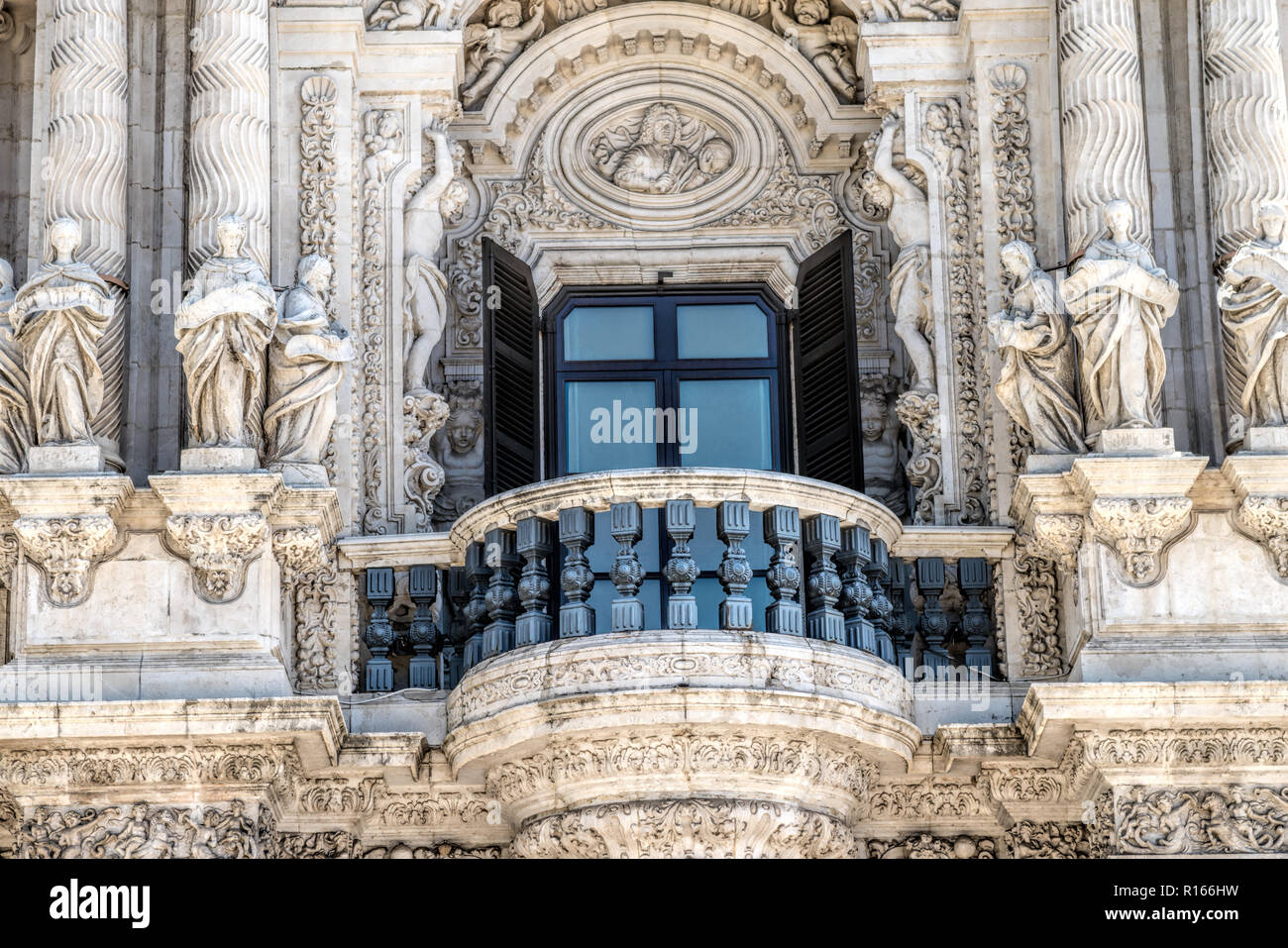
Metal brought new possibilities to old architecture. Wrought iron was used for gates, balconies, and decorative elements. Iron reinforced structures and allowed for slender supports. These features helped create open and airy spaces.
Natural Pigments And Plasters
Natural pigments added color to walls and ceilings. Lime plaster protected surfaces while providing a smooth finish. These materials helped old buildings maintain their beauty over centuries. They also reflected local artistic traditions and styles.
Credit: www.alamy.com
Mathematics In Architecture
Mathematics plays a key role in beautiful old architecture. It shapes form, structure, and balance. Builders used math to create harmony and stability.
Many ancient buildings follow precise mathematical rules. These rules guide proportions and patterns. They give buildings a timeless appeal.
Geometry And Symmetry
Geometry defines shapes and spaces in architecture. Symmetry creates balance by mirroring parts. Many old buildings use circles, squares, and triangles.
Examples include the Pantheon’s perfect dome and the Taj Mahal’s symmetrical layout. These forms create visual harmony that feels natural.
The Golden Ratio
The golden ratio is a special number often found in art and nature. Architects used it to design pleasing proportions. It appears in windows, doors, and facades.
St. Paul’s Cathedral in London is famous for using the golden ratio. This ratio makes buildings more attractive and balanced to the human eye.
Mathematical Patterns And Repetition
Patterns repeat in many old structures. They create rhythm and order. Islamic architecture often uses intricate tile patterns based on math.
These repeating designs add beauty and complexity. They also reflect cultural meanings and spiritual ideas.
Cultural Symbolism
Beautiful old architecture holds deep cultural symbolism. These structures tell stories of the people who built them. They reflect beliefs, values, and history. The designs show traditions passed through generations. Each building stands as a symbol of identity and pride.
Symbols in architecture connect communities. They create a sense of belonging. People see their heritage in these buildings. This connection helps preserve culture and memory.
Cultural Identity Through Design
Old buildings often feature unique styles tied to a culture. Patterns, shapes, and colors represent local customs. These designs highlight what a society values most. Architecture becomes a visual language of cultural identity. It speaks without words, telling who the people are.
Religious And Spiritual Significance
Many old structures serve religious purposes. Temples, churches, and mosques hold sacred meaning. Their architecture reflects spiritual beliefs and rituals. Symbolic elements like domes and arches inspire awe and reverence. These buildings guide worshippers and connect them to faith.
Historical Narratives Embedded In Architecture
Old buildings capture historical events and eras. Monuments and palaces show power and legacy. They remind people of triumphs and struggles. Architecture acts as a silent historian, preserving stories. Visitors learn about the past through walls and carvings.
Architectural Symbols Of Power And Status
Grand structures often symbolize wealth and authority. Castles, forts, and mansions reflect social hierarchy. Their size and decoration display influence and prestige. These buildings communicate status without words. They mark important places and leaders in history.
Mid-century Modern Style
Mid-century modern style stands out as a key chapter in beautiful old architecture. It emerged in the mid-20th century, roughly from the 1940s to the 1960s. This style focused on simplicity, clean lines, and functionality. It balanced form and function beautifully, creating spaces that felt open and inviting.
Designers of this era favored natural materials like wood, stone, and glass. They used large windows to bring the outside in. This connection to nature made homes feel fresh and airy. The style embraced minimal ornamentation, highlighting geometric shapes and organic curves.
Key Features Of Mid-century Modern Architecture
Mid-century modern architecture features flat planes and large glass walls. Open floor plans create spacious interiors without clutter. Furniture is simple and functional, often with tapered legs and smooth finishes. Bright, bold colors appear in accents and textiles, adding personality without overwhelming the space.
Influential Architects And Their Work
Famous architects like Charles and Ray Eames, Richard Neutra, and Eero Saarinen shaped this style. They designed iconic homes and public buildings that still inspire today. Their work shows a commitment to blending indoor and outdoor spaces. Each structure reflects a thoughtful use of materials and light.
Why Mid-century Modern Remains Popular
This style remains popular for its timeless appeal and practicality. It suits both urban and suburban settings. Its clean lines and open spaces fit modern lifestyles well. Many people appreciate the warmth and simplicity it brings. Mid-century modern homes often feel welcoming and comfortable, even decades later.
Googie Architecture
Googie architecture stands out as a bold style born in mid-20th-century America. It captures the excitement of the Space Age and car culture. This style uses sharp angles, bright colors, and futuristic shapes. It often features starbursts, boomerangs, and neon signs. Googie architecture was popular for roadside diners, motels, and gas stations. Its playful designs aimed to attract drivers and celebrate modern technology.
Origins Of Googie Architecture
Googie architecture started in Southern California during the 1940s and 1950s. It grew from the optimism of post-war America. Architects wanted to create buildings that looked fast and exciting. The name comes from a coffee shop called “Googie’s” in Los Angeles. This style drew inspiration from cars, rockets, and space exploration. It embraced new materials like glass and steel.
Key Features And Design Elements
Googie buildings feature upswept roofs and sharp angles. Large glass panels create open, bright interiors. Neon lights and bold signage are common. Designs often include star-shaped decorations and boomerang forms. The style mixes futuristic themes with playful, eye-catching shapes. It reflects the energy of the 1950s and 1960s culture.
Famous Examples Of Googie Architecture
The Space Needle in Seattle is a famous Googie landmark. The Theme Building at Los Angeles International Airport shows classic Googie style. Many old diners and coffee shops in California still keep this look. These buildings remind people of a hopeful, imaginative era. They add charm and history to urban landscapes.
Brutalist Structures
Brutalist structures stand out with their bold, raw appearance. They often use concrete as the main material. This style emerged in the mid-20th century and became popular worldwide. These buildings show strength and simplicity in design.
Brutalist architecture focuses on function over decoration. The designs expose structural elements and materials. They reveal the building’s framework instead of hiding it.
Characteristics Of Brutalist Structures
Brutalist buildings have a rough, block-like form. Their surfaces are usually unfinished concrete or brick. Large windows and geometric shapes are common. These features give them a strong, heavy look. The style often emphasizes straight lines and repetitive patterns.
Famous Examples Of Brutalist Architecture
Some well-known brutalist buildings include Boston City Hall and London’s Barbican Estate. The National Theatre in London and Habitat 67 in Montreal also display brutalist design. These buildings attract attention due to their unique, powerful forms.
Why Brutalist Structures Matter
Brutalism shows the beauty of raw materials and honest design. It reflects social ideals of the post-war era. The style aimed to create functional, affordable spaces. Today, brutalist buildings remind us of architectural innovation and history.

Credit: www.reddit.com
Conclusion
Beautiful old architecture tells stories of the past with every stone. It shows human creativity and skill across time. These structures inspire awe and respect for history. Preserving them helps us connect with our roots today. Visiting old buildings brings unique experiences and deep appreciation.
Their beauty lies in design, culture, and timeless charm. Exploring beautiful old architecture enriches our understanding of the world. It invites us to admire art shaped by history’s hands.