
Have you ever sat down to design something amazing, only to find your mind completely blank? That frustrating feeling of being stuck, unable to create or think of fresh ideas, is known as designer’s block.
It can hit anyone—whether you’re a seasoned pro or just starting out—and it can stop your progress in its tracks. But here’s the good news: you don’t have to stay stuck. You’ll discover simple yet powerful ways to break free from designer’s block and get your creativity flowing again.
Ready to unlock your creative potential and finish your projects with confidence? Let’s dive in.
Related Article: Architectural Design Concepts: Unleash Creativity
Related Article: Smart Home Design: Modify Your Space with Innovation
You may also read: Architectural Design Process: Unveiling Creativity
Causes of Designer’s Block
Designer’s block happens when creativity stops flowing. Ideas seem stuck or hard to find. Many factors cause this block. Understanding these causes helps to manage and reduce its impact.
Pressure And Deadlines
Strict deadlines can create stress. Designers feel rushed to deliver work fast. This pressure limits free thinking and creativity. The constant need to meet deadlines reduces time for exploring ideas. It becomes hard to focus on creative solutions.
Fear Of Failure
Worrying about making mistakes blocks creative thoughts. Designers may hesitate to try new things. Fear of criticism or rejection stops idea generation. This fear creates a mental barrier that limits innovation. It can cause designers to stick with safe, dull ideas.
Burnout And Stress
Long hours and heavy workloads cause burnout. Stress drains energy and motivation. Designers feel exhausted and less inspired. When the mind is tired, creative thinking slows down. Rest and self-care are needed to recover creativity.
Perfectionism
Trying to make every detail perfect limits progress. Perfectionism causes overthinking and constant self-editing. Designers may avoid finishing projects out of fear they are not good enough. This focus on flaws stops new ideas from developing. Creativity thrives with freedom to experiment.
Related Article: Space Optimization: Maximize Efficiency in Your Home
Signs Of Creative Stagnation
Creative stagnation can halt progress and leave designers feeling stuck. Recognizing its signs early helps address the issue effectively. Understanding these signs is the first step toward regaining your creative flow.
Lack Of New Ideas
Ideas stop coming as easily as before. Every concept feels recycled or dull. The mind struggles to connect thoughts in fresh ways. This lack of inspiration can last days or even weeks. It often signals the start of creative stagnation.
Decreased Motivation
Excitement for projects begins to fade. Tasks that once felt fun now seem like chores. Motivation drops, making it hard to keep up with work. This low energy affects both quality and output. It is a clear sign that creativity is blocked.
Difficulty Starting Projects
Beginning new projects feels overwhelming and stressful. Even simple tasks can seem too big to handle. Procrastination and avoidance become common habits. This struggle to start often leads to missed deadlines. It shows a deep creative block is present.
Related Article: Functional Home Design Tips: Maximize Comfort & Style
Quick Techniques To Break The Block
Designer’s block can stop creativity in its tracks. Quick techniques help restart the flow of ideas. These simple methods refresh your mind and spark new concepts fast. Try these easy steps to move past the block and create again.
Brainstorming And Mind Mapping
Brainstorming lets ideas come freely without judgment. Write down every thought related to your project. Mind mapping connects these ideas visually. This shows new links and directions you might miss. It helps organize scattered thoughts clearly and simply.
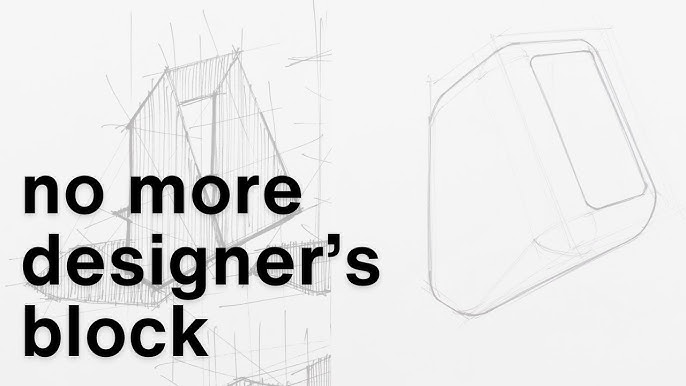
Sketching And Doodling
Put pencil to paper without pressure. Sketch rough shapes or doodle random patterns. This loosens your mind and boosts creativity. Sketching quickly captures ideas before they fade. It can lead to surprising solutions and fresh designs.
Changing Environment
Move to a different room or go outside. A new setting refreshes your perspective. Different sights and sounds can inspire new thoughts. Changing your space breaks routine and opens your mind. It helps you see your project in a new way.
Taking Short Breaks
Step away from your work for a few minutes. Short breaks reduce stress and clear your head. Stretch, walk, or breathe deeply. Returning with fresh eyes improves focus and creativity. Breaks prevent burnout and keep ideas flowing.
Credit: www.youtube.com
Long-term Strategies For Creativity
Long-term creativity requires steady effort and smart habits. It is not about quick fixes but building lasting practices. These methods help designers stay inspired and productive over time. Consistent creativity supports better work and personal growth.
Maintaining Work-life Balance
Balance between work and rest keeps the mind fresh. Overworking drains energy and blocks new ideas. Set clear work hours and take regular breaks. Spend time with family or friends to recharge. A healthy lifestyle boosts creativity and focus.
Exploring New Inspirations
Trying new things sparks fresh ideas. Visit museums, read books, or watch films outside your usual topics. Travel to new places or explore different cultures. Inspiration often comes from unexpected sources. Keep a journal to note interesting thoughts or visuals.
Collaborating With Peers
Working with others opens new perspectives. Share ideas and get feedback from fellow designers. Collaboration leads to creative solutions and learning opportunities. Join design groups or attend workshops regularly. Talking through problems can break creative blocks fast.
Embracing Constraints
Limits can boost creativity instead of stopping it. Use rules or restrictions to guide your design process. Constraints help focus your ideas and push innovation. Try setting time limits or using limited colors. Working within boundaries often leads to unique results.
Tools And Resources To Boost Creativity
Designer’s block can stall creativity and slow down projects. The right tools and resources help spark new ideas. They offer fresh perspectives and practical ways to overcome mental blocks. Using visual aids, creative software, and learning platforms can refresh your mind and boost your flow.
Mood Boards And Visual References
Mood boards collect images, colors, and textures in one place. They create a visual story for your project. These boards inspire and guide design choices. Visual references help you see trends and styles clearly. They act as a creative map to follow. Using Pinterest or physical collages are simple ways to build mood boards.
Creative Software And Apps
Design software offers tools to bring ideas to life. Apps like Adobe Photoshop and Sketch provide flexibility and control. They help experiment with shapes, colors, and layouts quickly. Many apps have templates to jumpstart projects. Mobile apps allow creativity on the go. Trying new software can unlock fresh design paths.
Online Tutorials And Workshops
Learning new skills can break creative blocks. Tutorials teach techniques and new tools step-by-step. Workshops connect you with other designers and fresh ideas. Platforms like YouTube and Skillshare offer many free and paid options. Watching experts work can inspire your own projects. Regular learning keeps your creativity active and evolving.

Credit: www.wix.com
Mindset Shifts To Overcome Blocks
Designer’s block stops creativity and clouds the mind. Shifting your mindset helps clear the way to fresh ideas. Changing how you think about the block can ease frustration. It opens paths to new solutions and better work. Here are key mindset shifts to try.
Accepting Imperfection
Perfection is not the goal. Accept that first drafts may be rough. Allow mistakes as part of learning and growth. This mindset frees you from pressure. It encourages risk-taking and exploration. Embracing imperfection invites creativity to flow naturally.
Reframing The Problem
Look at the block from a new angle. Instead of “I can’t create,” think “What if I try this?” Changing the question sparks fresh thinking. It shifts focus from limits to possibilities. Reframing helps you see problems as puzzles to solve.
Saying Yes To New Ideas
Open your mind to all ideas, even strange ones. Saying yes boosts creativity by encouraging experimentation. It breaks the habit of rejecting ideas too soon. This approach grows your creative options. It often leads to unexpected breakthroughs.
Patience With The Process
Creativity takes time and cannot be rushed. Give yourself space to think and explore. Trust that ideas will come with time. Patience reduces stress and clears mental blocks. It helps you stay calm and focused during challenges.
Environmental Changes To Spark Ideas
Changing your environment can refresh your mind and spark new ideas. Small shifts around you influence creativity deeply. Designers often find inspiration by altering their surroundings. This change breaks routine and invites fresh perspectives.
Visiting Busy Or New Places
Exploring crowded or unfamiliar areas exposes your senses to new sights and sounds. The energy of busy streets or markets can trigger creativity. New environments challenge your brain to notice details and patterns. Even a short walk in a lively place can unlock ideas.
Observing Everyday Details
Simple things around you hold creative potential. Watch how light falls on objects or how colors blend naturally. Notice shapes, textures, and movements in daily life. These small observations can inspire unique design elements and concepts.
Switching Workspaces
Changing your usual workspace refreshes your mental state. Try working in a café, park, or different room. New settings reduce distractions and stimulate fresh thinking. This switch often leads to unexpected ideas and renewed focus.
Preventing Designer’s Block
Designer’s block can slow down your workflow and drain your creativity. Preventing it helps maintain steady progress and keeps ideas fresh. Simple habits and strategies reduce the chances of hitting a creative wall.
Building consistent routines and staying open to new experiences keeps your mind active. This section explores practical ways to avoid designer’s block effectively.
Regular Creative Practice
Practice creativity daily, even in small ways. Sketch simple ideas or try quick design exercises. This keeps your skills sharp and your mind engaged. Regular practice reduces pressure during bigger projects. It makes creativity feel natural and less forced.
Setting Realistic Deadlines
Give yourself enough time to explore ideas without stress. Unrealistic deadlines cause anxiety and block creativity. Break tasks into smaller steps with clear goals. This approach helps you stay focused and motivated. Manage your time so creativity can flow freely.
Continuous Learning And Experimentation
Explore new tools, styles, and techniques often. Learning sparks new ideas and broadens your design view. Experiment with different approaches without fear of failure. Trying new things helps avoid creative ruts. Keep your work exciting and your mind curious.
Common Myths About Designer’s Block
Designer’s block often feels like a wall that stops creativity. Many false ideas about it make the problem worse. These myths can make designers feel stuck or less confident. Knowing the truth helps designers handle their block better. Let’s clear up some common myths about designer’s block.
Creativity Should Be Constant
Many think creativity should never stop. They believe ideas must flow all the time. This is not true. Creativity comes in waves. Sometimes, the mind needs rest to recharge. Expecting constant creativity adds pressure. This pressure can cause more blocks.
Blocks Mean Lack Of Talent
Some say blocks show a lack of skill or talent. This idea is wrong. Even top designers face blocks. Designer’s block is a natural part of the creative process. It does not define your ability or worth. It is only a temporary pause, not failure.
Waiting For Inspiration Only
Many wait for sudden inspiration to solve their block. This waiting can waste time and cause frustration. Inspiration often comes from action, not waiting. Trying new techniques or changing the routine can spark ideas. Active work helps creativity grow, even without clear inspiration.
Conclusion
Designer’s block can feel tough, but it does not last forever. Taking small steps can help ideas flow again. Change your space or try simple sketching to refresh your mind. Talking with others often sparks new thoughts and motivation. Remember, every creative has faced this challenge before.
Patience and practice bring progress in design work. Keep experimenting and stay open to new ideas. Creativity returns when you give yourself time and space.
You may also read: How to Choose the Right Architect: Top Expert Tips