
Have you ever walked into a building and felt something beyond just its walls—an emotion, a story, or even inspiration? That’s the power of artistic architecture.
It’s where creativity meets structure, turning ordinary buildings into unforgettable experiences. This blend of art and engineering shapes not only how a space looks but how it makes you feel. Whether it’s the sweeping curves of Art Nouveau, the bold lines of modern skyscrapers, or eco-friendly green designs, artistic architecture transforms spaces into living stories that speak to your senses and culture.
Ready to see how buildings can be more than just shelters? Let’s explore the fascinating world where art and architecture come alive.

Credit: www.marinaportvell.com
Related Article: Best Ai Tools for Architects: Transform Your Design Process Today
Art And Architecture Blend
The blend of art and architecture shapes spaces that inspire and function well. Artistic architecture merges creativity with building design. It transforms structures into emotional and cultural landmarks. This blend highlights how beauty and purpose coexist in every detail.
Artistic architecture goes beyond simple construction. It uses form, light, and texture to affect how people feel. This approach creates spaces that are not only useful but also visually striking. It invites people to experience buildings in new and meaningful ways.
Creative Meets Practical
Creativity starts the design with bold, imaginative ideas. Architects dream of shapes and forms that stand out. These ideas must meet real-world needs like safety and comfort. Practical limits guide the creative process to ensure buildings last.
The balance of art and function leads to unique designs. Buildings become works of art and places to live or work. This harmony makes architecture both beautiful and usable. Creativity meets rules to shape spaces people enjoy every day.
Engineering Supports Aesthetics
Engineering is the backbone that holds artistic visions up. Structural systems keep complex shapes stable and safe. Materials are chosen for both strength and appearance. Engineers solve problems that allow creative designs to become reality.
Modern technology expands what architects can achieve. Innovative methods support daring, artistic elements. This teamwork between art and engineering creates iconic buildings. The result is an architecture that impresses the eyes and lasts through time.
Cultural Stories In Design
Architecture is more than just building structures. It tells stories about culture, beliefs, and history. Every design element reflects a community’s identity. Through shapes, colors, and materials, architects share deep cultural meanings.
These cultural stories in design help people connect with their surroundings. They make spaces feel familiar and alive. Artistic architecture captures traditions and values, preserving them for future generations.
Buildings As Cultural Symbols
Buildings often stand as powerful symbols of culture. They represent the spirit and values of a society. For example, temples, mosques, and cathedrals show religious beliefs. Palaces and castles display power and wealth.
These structures carry meaning beyond their function. Their forms, decorations, and locations tell stories. People recognize and respect these symbols everywhere. They inspire pride and a sense of belonging within communities.
Historical Influences On Style
Architectural styles evolve through history, influenced by past events. Ancient civilizations like Egypt and Greece set early design foundations. Their ideas shaped future buildings worldwide.
Historical periods bring unique aesthetics and techniques. The Gothic style’s pointed arches and flying buttresses reflect medieval values. Renaissance architecture revived classical ideas of balance and harmony.
Today’s architects blend old and new styles. This fusion creates fresh designs while honoring cultural heritage. Understanding history helps designers create meaningful, lasting architecture.
Sensory Impact Of Spaces
The sensory impact of spaces shapes how people feel and interact within buildings. Architecture is not just about structure; it influences emotions and moods through design elements. Every surface, light angle, and spatial layout can affect perception. This experience goes beyond sight, involving touch, movement, and atmosphere. Understanding sensory impact helps create spaces that engage users deeply and meaningfully.
Light And Texture Effects
Light controls mood and highlights textures in artistic architecture. Natural and artificial light create contrasts and shadows that change throughout the day. Textured surfaces catch light differently, adding depth and interest. Rough stone feels different from smooth glass, affecting how people sense the space. Light also guides attention, making areas feel warm, cool, open, or intimate. Together, light and texture give spaces a dynamic, lively quality.
Movement And Spatial Experience
Movement through a space changes how it is experienced. Curved walls, narrow passages, and open halls direct flow and encourage exploration. Walking paths reveal new views and details, creating a story through architecture. The scale of rooms and ceiling height influence feelings of comfort or awe. Changing perspectives while moving makes the space interactive, not static. This engagement turns buildings into living environments that respond to human presence.
Styles That Inspire
Artistic architecture draws from many styles that inspire creativity and emotion. Each style tells a story through shapes, colors, and details. These styles influence how buildings look and how people feel inside them. Exploring different architectural styles helps us appreciate the art in structures around us.
Some styles focus on rich decoration and curves, while others embrace clean lines and nature. Both old and new styles shape the way architects design spaces that connect with people and culture.
Baroque And Art Nouveau
Baroque architecture is known for its bold shapes and dramatic details. It uses curves, gold accents, and grand staircases to create a sense of movement and energy. This style often feels like a story unfolding in stone.
Art Nouveau contrasts with Baroque in its flowing lines and natural forms. It features floral patterns and elegant curves inspired by plants and animals. Art Nouveau buildings feel alive and organic, blending art with function.
Modernism And Green Architecture
Modernism favors simplicity and function. It removes unnecessary decoration, focusing on clean lines and open spaces. This style values light, space, and the honest use of materials like glass and steel.
Green architecture adds care for the environment. It uses natural light, energy-efficient systems, and sustainable materials. This style creates buildings that are healthy for people and the planet. Green design often integrates plants and nature into the structure.
Art In Architectural Expression
Art in architectural expression transforms buildings into living works of creativity. It blends design with artistic vision to shape spaces that inspire and connect with people. This approach highlights how architecture goes beyond function to evoke feelings and tell stories through form and detail.
Architectural art uses various media to enrich the built environment. It plays with light, texture, and perspective to create visual and emotional experiences. Art in architecture invites us to see buildings not just as shelters but as cultural symbols and expressions.
Drawings And Installations
Drawings are the first step in visualizing architectural art. They capture the artist’s ideas and explore forms before construction begins. These sketches show creativity and technical skill, often becoming standalone art pieces.
Installations bring art directly into architectural spaces. These three-dimensional works interact with the building’s structure. They change how people move and feel within the space, offering unique sensory experiences.
Public Art Integrations
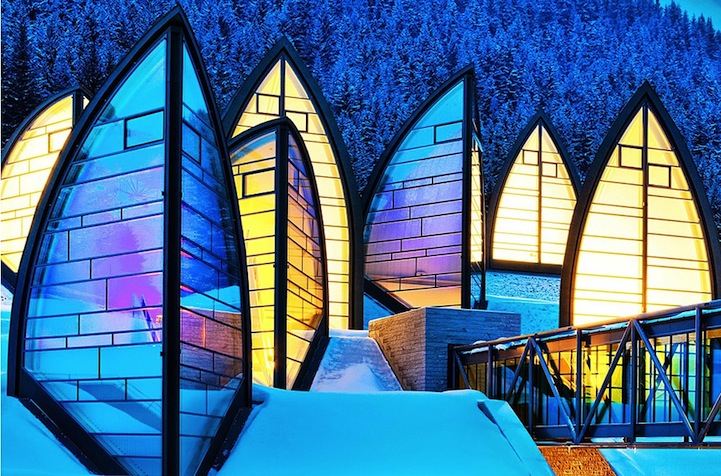
Public art adds life to urban architecture. Sculptures, murals, and digital displays enrich public spaces. They reflect local culture and history, making the environment more engaging.
Integrating art into architecture encourages community interaction. It creates landmarks that attract visitors and inspire pride. Public art transforms ordinary spaces into memorable places.
Credit: weburbanist.com
Beyond Buildings
Artistic architecture reaches far beyond the walls of buildings. It shapes our surroundings in many ways. This creative approach turns everyday spaces into experiences. It blends function with beauty to inspire and delight.
Designers think not only about a single structure but the whole environment. Art influences the layout of cities, the objects we use, and even the virtual spaces we explore. This broad view makes artistic architecture a powerful force in daily life.
Urban Design As Art
Urban design transforms city spaces into living artworks. Streets, parks, and plazas become more than paths and resting spots. They invite people to move, pause, and connect through thoughtful shapes and colors.
Patterns of light and shadow play on surfaces, creating a dynamic canvas. Public art installations and sculptural benches add character and meaning. This design improves how people feel and interact in crowded places.
Furniture And Digital Spaces
Furniture design also reflects artistic and architectural principles. Chairs, tables, and lamps combine form and function with style. These pieces shape how we experience interiors and express cultural identity.
Digital spaces follow similar ideas. Virtual environments and interfaces use architectural thinking to guide users. Layout, flow, and visual harmony make digital experiences intuitive and engaging.
Artistic architecture extends beyond buildings. It influences how we live, work, and play in every space.
Architecture As Art
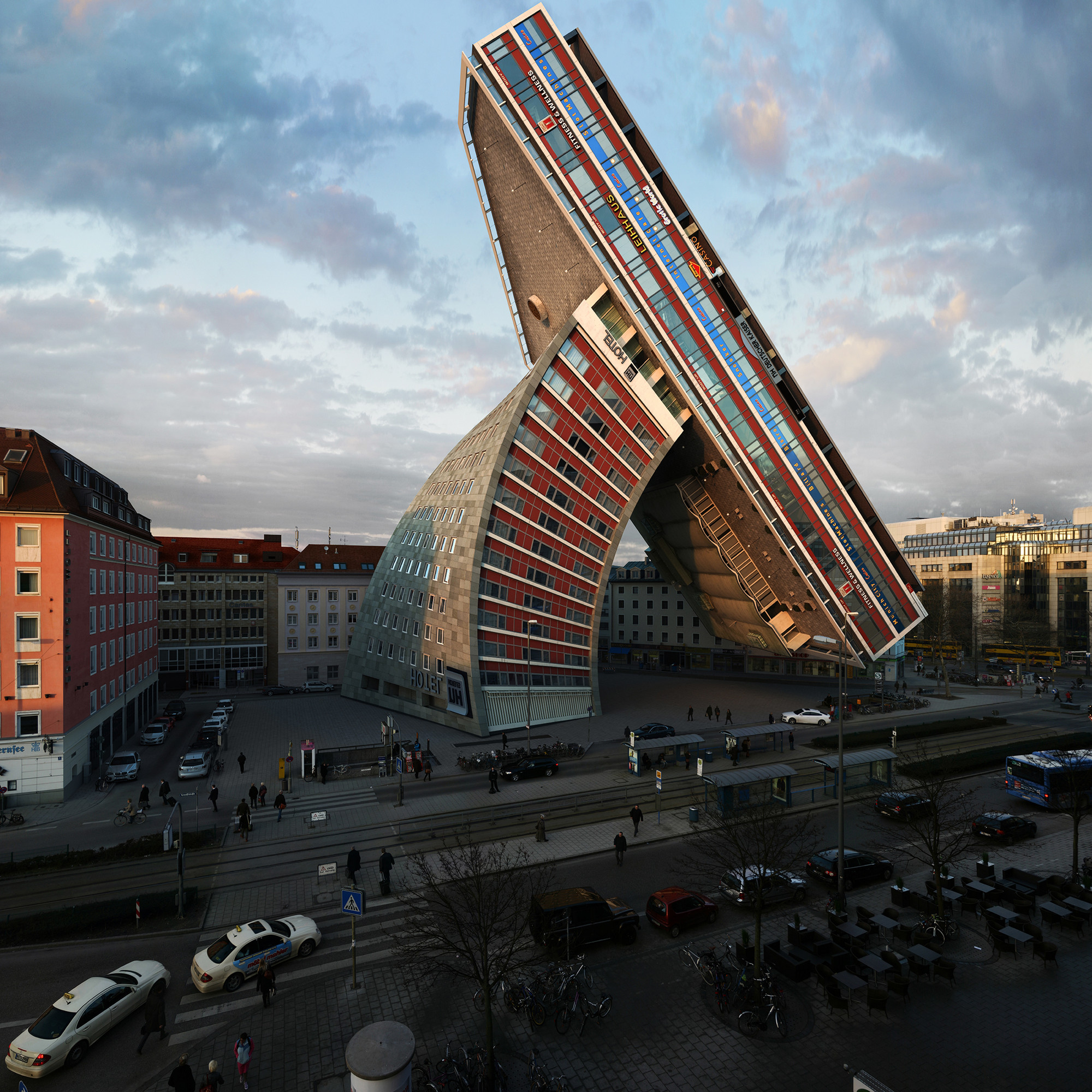
Architecture is more than building structures. It is a form of art that shapes our environment. This art blends creativity with function to create spaces that inspire and communicate. Each building tells a story through its design, materials, and form. Architecture as art invites us to see buildings as expressions of culture and emotion.
Shared Elements And Differences
Architecture and art share many elements like form, color, and texture. Both use these to create visual impact. Architects and artists think about balance and harmony in their work. Yet, architecture must also focus on function and safety. Art may exist only to be seen and felt. Architecture must be lived in and used daily. This makes architecture a unique blend of beauty and practicality.
Emotional And Cultural Connections
Buildings can evoke strong emotions, just like paintings or sculptures. A cathedral might inspire awe and peace. A modern museum may feel open and inviting. Architecture reflects the culture of its time and place. It shows traditions, beliefs, and innovations. People connect to buildings because they carry meaning and memories. This emotional and cultural link makes architecture a powerful art form.
Credit: www.archdaily.com
Eco-friendly Inspirations
Eco-friendly inspirations in artistic architecture blend nature with design. This approach shapes buildings that respect the environment. It creates spaces that feel alive and sustainable. Architects use green ideas to reduce waste and save energy. The result is beauty that also cares for the planet.
Green Architecture Principles
Green architecture focuses on using natural resources wisely. It aims to minimize harm to the environment. Designs often include solar panels, green roofs, and rainwater collection. Materials are chosen for their low environmental impact. Efficient insulation and ventilation reduce energy needs. The goal is harmony between buildings and nature.
Sustainability And Creativity
Sustainability drives innovation in artistic architecture. Architects find creative ways to reuse materials and energy. Designs blend form and function with eco-consciousness. Natural light and airflow shape the building’s character. Green spaces inside and outside invite calm and health. This creativity makes sustainability visually stunning and practical.
Conclusion
Artistic architecture shapes how we live and feel in spaces. It blends creativity with function to make buildings unique. Every design tells a story about culture and history. Light, texture, and form work together to create beauty. This art form goes beyond buildings, influencing cities and objects.
Experiencing artistic architecture enriches our daily lives and surroundings. It shows how art and science can unite to inspire. Exploring this field helps us appreciate the world’s built environment more deeply.
You may also read: Modern Vernacular Architecture: Innovative Designs for Today